

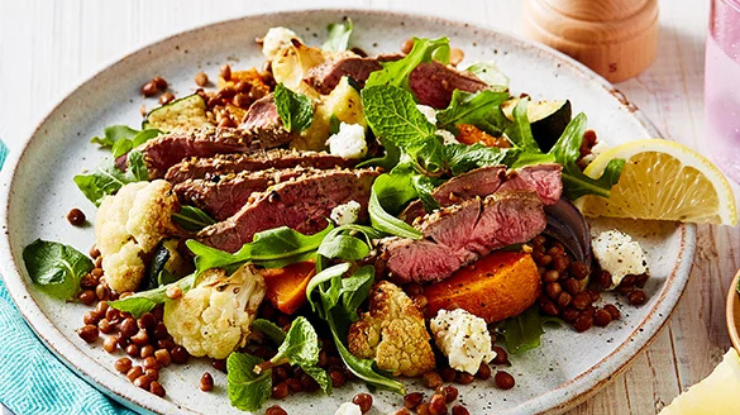
温热羊肉沙拉 来源:澳大利亚羊肉协会
全球健康产业持续高速发展,红肉行业得以在健康、营养与长寿相关议题中占据重要一席之地。
澳洲肉类及畜牧业协会(MLA)食品与营养板块总经理莫妮克・卡申(Monique Cashion)表示,消费者需求重心转变,为澳大利亚红肉生产商带来巨大机遇,当下大众愈发重视自身健康与身心养护。
据预测,到2028年全球健康产业年规模将达到约9万亿美元,年均增速7.3%。在此背景下,消费者在时间、资金与关注度的分配上更加审慎。即便生活成本持续走高,健康养生仍是全球众多消费者的首要考量。
莫妮克表示:“健康养生对每个人而言意义各不相同,有的代表身体健康,有的侧重心理健康,也有人两者兼顾,但毫无疑问这已是大众最关心的话题。”
新鲜、健康、个性化
当下全球一大主流消费趋势,是消费者更青睐新鲜健康食材、偏爱居家自制餐食。人们愈发追求便捷方式烹制营养餐食,同时自主把控食材成分。
该趋势与大众对天然完整食材、优质蛋白来源日益增长的需求高度契合,利好红肉行业。莫妮克称,如今民众主动健康管理意识提升,健身、延年益寿、健康衰老等话题备受关注。
伴随人口老龄化,维持肌肉量与身体机能愈发关键,而蛋白质摄入对此至关重要,红肉由此成为健康膳食里极具价值的食材。
与此同时,体重管理仍是全球核心健康诉求。消费者追求可持续方案,兼顾控重与整体健康,这也为高营养红肉产品带来市场机遇。
GLP-1药物催生红肉产业新机遇
过去两年营养健康领域最重大的行业变化之一,是GLP-1类减重药物的使用量快速攀升。
尽管这类药物一般会降低食欲、减少整体进食量,但莫妮克认为,这类药物反而能为红肉等高营养密度食材创造全新市场机会。
“服用这类药物的人群进食量通常会变少”, 她解释道。
“他们希望在少吃东西的前提下,为身体补充充足营养,这时候食材的营养密度就显得尤为关键。”
红肉富含优质蛋白质,同时含有铁、锌、维生素B12等人体必需营养素。对于少食多餐的消费者而言,高营养密度食材能够在控制热量摄入的同时,最大化营养摄取。
用药初期也存在一定食用难题。部分使用者会出现恶心反胃,或是对红肉等部分食物失去食用欲望。但现有新研究表明,多数使用者在适应药物后,充分认识到红肉的营养价值,会逐步重新将红肉纳入日常饮食。
从肌肉留存角度来看,蛋白质的作用更为关键。使用GLP-1药物减重过程中,人体容易流失瘦肌肉,充足的蛋白质摄入是维持体能与身体机能的核心。
“这里蕴藏巨大市场机遇。消费者既需要补充各类营养素,也需要保住肌肉量,而红肉恰好可以同时满足这两大需求”。 莫妮克表示。
澳大利亚膳食指南进入修订评估阶段
食品营养行业当前面临一项核心议题:澳大利亚膳食指南正开展新一轮评审,该指南自2013年后尚未进行大规模更新。
莫妮克预判指南核心营养建议不会出现大幅调整,但她提到,全球膳食政策研讨中,可持续发展相关考量正不断融入其中。
“有关红肉的营养学研究结论并未发生改变”, 她表示,
“反而我们对优质蛋白,以及铁、锌这类易被人体吸收营养素的认知更为充分。”
这一点对营养素缺乏高风险人群(大量澳大利亚女性均包含在内)尤为关键。红肉仍是膳食中铁、锌最高效的获取来源,而其他食物很难足量供给这两种微量元素。
将可持续发展纳入膳食指南在国际上引发大量讨论。但莫妮克认为,澳大利亚畜牧行业具备充足优势参与正向研讨,行业持续在环境管护、生产效率、废弃物减量方面优化提升。
她同时指出,现阶段大范围的可持续发展讨论,重心更多放在减少食物浪费、控制精加工食品摄入,而非单一限制某类食材。
邀请全球营养学专家赴澳交流
7月,澳洲肉类及畜牧业协会(MLA)将接待约13名国际营养学专家代表团,该专项活动旨在加深各界对澳洲红肉生产体系及相关营养科学的认知。
代表团将走访悉尼及新南威尔士州乡村产区,实地观摩澳洲红肉全流程生产,并与行业专业人士面对面交流。
莫妮克表示:“此行能让专家们充分实地考察、自由提问交流。”
“他们十分希望深入了解澳洲红肉养殖模式,以及红肉在健康膳食中的价值。”
代表团成员涵盖营养师、营养学从业者、医护工作者及知名科普博主,部分人员任职于医院、餐饮配餐、临床诊疗机构,还有一部分长期在网络平台引导大众营养舆论。
对澳洲肉类及畜牧业协会而言,本次访问有助于夯实红肉营养科普的科学公信力。交流内容覆盖高营养密度相关科研理论,以及膳食搭配、烹饪实操等落地应用知识。
澳大利亚知名营养师、营养科普专家乔安娜・麦克米伦博士也将参与本次交流活动。她与澳洲肉类及畜牧业协会合作十余年,兼具深厚营养学专业储备与澳洲红肉产业实操认知。
依托营养科普,建立行业信任
莫妮克拥有25年以上营养研究与消费者服务从业经历,后入职澳洲肉类及畜牧业协会(MLA),她的工作目标十分明确:依托严谨科学依据,帮助消费者做出理性饮食选择。
当下各类营养科普信息渠道繁杂,基于实证的专业科普比以往任何时候都更为关键。
“网络上充斥着各类营养相关言论,我们的职责是保证相关讨论内容客观准确、有科学依据支撑”。 她说道。
健康养生已成为全球消费者核心诉求,红肉行业可深度参与相关讨论,充分展现红肉的营养价值,同时阐释其在打造健康均衡、可持续膳食体系中的重要作用。
消息来源:MLA
Wellness trends open doors for red meat producers
Warm lamb salad. Source: Australian Lamb
As the global wellness economy continues its rapid expansion, the red meat industry is positioned to play a meaningful role in conversations about health, nutrition and longevity.
Monique Cashion, Meat & Livestock Australia’s (MLA) Group Manager – Food and Nutrition, says changing consumer priorities are creating significant opportunities for Australian red meat producers, particularly as people place greater value on their health and wellbeing.
The global wellness economy is forecast to reach an estimated US$9 trillion annually by 2028, growing at 7.3% each year. Against this backdrop, consumers are making more deliberate choices about where they invest their time, money and attention. Despite ongoing cost-of-living pressures, health and wellness have emerged as a top priority for many people around the world.
“When it comes to health and wellness, it means many different things to different people. It may be physical health, mental health, or both, but it’s clearly top of mind,” Monique said.
Fresh, healthy and personalised
One of the strongest trends emerging globally is a shift towards fresh, healthy foods and home-prepared meals. Consumers are increasingly looking for convenient ways to create nutritious meals while maintaining control over what they eat.
For the red meat industry, this trend aligns well with growing interest in whole foods and high-quality sources of protein. According to Monique, people are also becoming more proactive in looking after their health, with fitness, longevity and healthy ageing all gaining greater attention.
As populations age, maintaining muscle mass and overall physical function becomes increasingly important. Protein intake plays a critical role in supporting these outcomes, positioning red meat as a valuable component of healthy eating patterns.
At the same time, weight management remains a major health priority globally. Consumers are seeking sustainable approaches that support both weight control and overall wellbeing, creating opportunities for foods that deliver substantial nutritional value.
The GLP-1 opportunity
One of the most significant developments in nutrition and health over the past two years has been the rapid growth in the use of GLP-1 weight-loss medications.
While these medications typically reduce appetite and overall food consumption, Monique believes they may create new opportunities for nutrient-dense foods such as red meat.
“When people go on these medications, they often eat less,” she explained.
“They’re looking for ways to get more nutrients into their body without eating large amounts of food. That’s where nutrient density becomes incredibly important.”
Red meat provides high-quality protein alongside essential nutrients such as iron, zinc and vitamin B12. For consumers eating smaller meals, nutrient-dense foods can help maximise nutritional intake within reduced calorie consumption.
There can be challenges in the early stages of treatment. Some users experience nausea or reduced interest in certain foods, including red meat. However, emerging evidence suggests many consumers gradually reintroduce red meat into their diets as they adapt to the medication and recognise the nutritional benefits it provides.
The role of protein becomes even more important when considering muscle preservation. Weight loss associated with GLP-1 medications can include loss of lean muscle mass, making adequate protein intake essential for maintaining strength and function.
“There’s a huge opportunity. People need nutrients and they need to maintain muscle, and red meat can help deliver both,” Monique said.
Australian Dietary Guidelines under review
A key issue facing the food and nutrition sector is the ongoing review of Australia’s Dietary Guidelines, which has not had a major update since 2013.
While Monique doesn’t anticipate major changes to the core nutritional recommendations, she notes that sustainability considerations are increasingly being woven into dietary policy discussions globally.
“The nutrition science around red meat hasn’t changed,” she said.
“If anything, our understanding of high-quality protein and bioavailable nutrients such as iron and zinc has strengthened.”
This is particularly important for groups that are at higher risk of nutrient deficiencies, including many Australian women. Red meat remains one of the most effective dietary sources of iron and zinc – two nutrients that can be difficult to obtain in adequate amounts from some other foods.
The integration of sustainability into dietary guidelines has generated significant debate internationally. However, Monique believes Australia’s livestock industry is well positioned to contribute positively to these discussions through ongoing improvements in environmental stewardship, productivity and waste reduction.
She also notes that broader sustainability conversations are increasingly focused on reducing food waste and limiting consumption of highly processed foods, rather than targeting individual food categories alone.
Bringing global nutrition experts to Australia
In July, MLA will host a delegation of approximately 13 international nutrition experts in Australia as part of an initiative designed to deepen understanding of Australian red meat production and nutrition science.
The delegation will visit Sydney and regional NSW, providing participants with the opportunity to see first-hand how Australian red meat is produced and to engage directly with industry experts.
“It’s a chance for people to get curious and ask questions,” Monique said.
“They’re very interested in understanding how red meat is produced in Australia and what role it can play in healthy diets.”
The group includes dietitians, nutrition professionals, healthcare practitioners and influential content creators. Many work in hospitals, food service, catering and clinical settings, while others are shaping public conversations about nutrition online.
For MLA, the visit represents an opportunity to build confidence in evidence-based communication about red meat and nutrition. Discussions will cover everything from the science of nutrient density through to practical applications, such as meal preparation and cooking techniques.
Leading Australian dietitian and nutrition advocate Dr Joanna McMillan will also contribute to the program. Having worked closely with MLA for more than a decade, Dr McMillan brings extensive knowledge of both nutrition science and Australian red meat production systems.
Building trust through nutrition
For Monique, who joined MLA after a career spanning more than 25 years in nutrition and consumer-focused roles, the goal is simple: help people make informed decisions based on sound science.
In a world where nutrition advice comes from an increasing number of sources, evidence-based communication has never been more important.
“There are lots of people talking about nutrition online. Our role is to ensure conversations are accurate and evidence-based,” she said.
As health and wellness become increasingly important priorities for consumers worldwide, the red meat industry has an opportunity to be part of that conversation – demonstrating not only the nutritional value of red meat, but also its role in supporting healthy, balanced and sustainable diets for the future.
Source:MLA

