

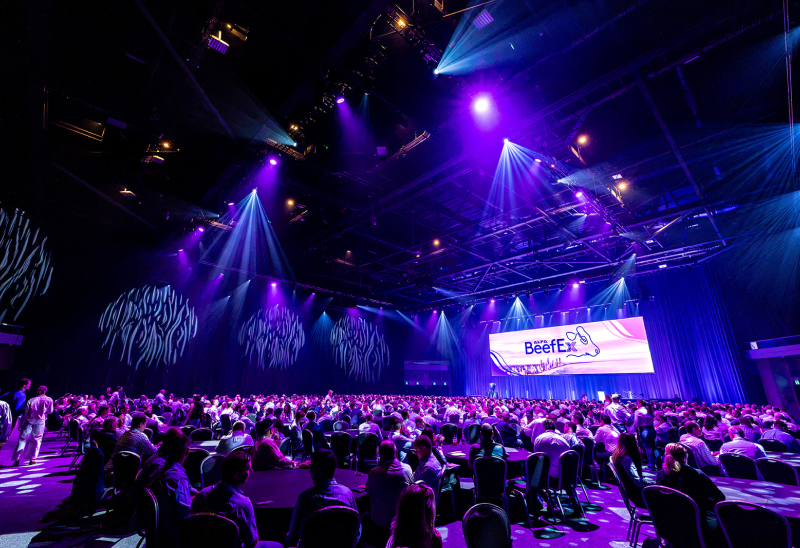
澳大利亚肉类与畜牧业协会(MLA)携手澳大利亚育肥场协会(ALFA),共同亮相由ALFA主办的澳大利亚核心谷饲牛肉行业盛会——2026牛肉产业博览会。
这场两年一届的大会于9月22日至24日举办,汇聚育肥场经营者、服务商、加工企业、出口商、科研人员以及全产业链行业专家,共同探讨影响育肥产业未来发展的机遇与挑战。
本次活动是重要展示平台,彰显MLA与ALFA长期稳定的合作关系,同时展现征费资金持续为行业科研、创新与技术落地提供支撑。
MLA与ALFA持续协同发力,依托定向研发与技术转化投入,攻克行业重点课题。
双方依据《MLA-ALFA育肥场研发战略》,将资金重点投向提升生产效率、动物福利、人力能力、自动化技术以及环境可持续发展领域。
牛肉产业博览会搭建了与征费缴纳主体直接沟通的渠道,展示各项投入如何转化为可供育肥场落地应用的成果。
MLA总经理迈克尔·克劳利表示,MLA与ALFA的合作至关重要,能够保障行业核心需求体现在研发与技术推广项目中。
“我们和ALFA的合作根基深厚,我们会和这家行业机构充分磋商,确保投资方向精准匹配产业需求。”他说道。
“我们致力于为征费缴纳主体创造价值,直击那些对育肥行业影响最深远的核心议题。”
迈克尔提到,牛肉产业博览会为谷饲牛肉全产业链各方搭建了宝贵的交流平台。
“我们借此展示最新研发成果,和育肥场经营者对接技术落地机会,并与行业配套服务商深度协作。”
“本次展会真正代表整个产业,不仅包含育肥场,也囊括服务商以及支撑谷饲牛肉产业的广大合作网络。”
展望2040年育肥场发展图景
2026牛肉产业博览会的一大亮点是由MLA联合推出、未来学家安德斯·索尔曼-尼尔森主讲的“2040育肥场”专题论坛。
该论坛引导参会者畅想澳大利亚育肥场在2040年的样貌,汇聚科研人员、育肥场经营者与行业专家,沿着从入栏到终端消费者的全链路,探讨新兴技术、管理体系以及未来机遇。
论坛向参会代表介绍了已经投入育肥场运营的技术,以及尚处于概念阶段的创新方案,勾勒出行业未来数十年的发展方向。
“2040育肥场”论坛贯穿一个核心主题:新兴技术如何助力整个育肥体系实现更科学的决策。
研讨内容围绕人工智能、自动化、预测分析和数字化监测系统愈发重要的作用展开,这些技术可提升生产效率、动物福利、人力利用率与运营水平。
论坛指出,未来技术将助力育肥场从业者不再只在育肥周期末期复盘结果,而是更早做出精准决策。
其中就包括实现单只牲畜层面的健康状况、福利水平、生长表现以及销售收益预判。
现场展示的创新工具之一是SizeR,该系统依托人工智能,可针对单头牲畜预判育肥效果与胴体指标。
MLA董事会董事、冈达梅恩畜牧公司负责人泰丝·赫伯特表示,数字技术的进步正在推动行业在整个生产周期内实现更理性的决策。
“令人振奋的是,技术不再仅仅用于育肥末期检测最终指标,而是可以在多个阶段评估单头牲畜潜力,包括预备饲养阶段、入栏时、育肥期间,甚至出栏后的胴体表现。”她说。
“如果我们能在牲畜生长或育肥早期就借助数据,在健康、营养、饲养管理和销售规划上优化决策,就有机会同时改善牲畜生长表现与企业经营效益。”
论坛还探讨了目前正在研发的各项技术在未来协同应用的可能性。
会上讨论提到,可整合SizeR、行为监测摄像头、自动饲喂系统、气象智能平台等多方数据,支撑精细化饲养管理决策。
可持续发展的未来机遇也是本次分享的重点。
参会代表了解到,可再生能源、热应激管控、水资源规划、封闭式棚舍等领域的创新,能够打造更高产、抗风险能力更强的育肥模式,同时提升资源利用效率、改善动物福利。
论坛同时强调,技术是育肥场从业者的辅助工具,而非替代品。
整个牛肉产业博览会的议程都充分肯定了育肥场一线团队在牲畜照料、保障运营中的价值,凸显人工经验与新兴技术相结合的重要性。
论坛还预判了2040年消费者需求的变化:未来消费者会更加关注溯源信息、可持续性、动物福利以及养殖方式的透明度。
构建可信数据、核验生产全流程指标,被认定为本行业接下来的重要发展方向。
谈及整场博览会,迈克尔评价,本次会议很好兼顾了前瞻性探讨和当下行业亟待解决的现实问题。
“本次议程安排恰到好处,既放眼长远,也直面眼前的核心课题。”他说道。
“2040育肥场”论坛演讲嘉宾
特别感谢“2040育肥场”论坛各位演讲嘉宾,感谢他们分享专业见解,为这场前瞻主题论坛赋能:
行业嘉宾
汤姆·格林,CAMM农业公司
阿曼达·穆恩,康达布里牛肉公司
托尼·菲茨杰拉德,怀阿拉牛肉公司
斯科特·布劳恩,莫特公司
布朗特·莫德拉,专业解决方案公司
科研与技术专家
凯夫·沙利文博士,PAC澳大利亚公司
萨姆·普拉茨,牛只动力学公司
本·马丁博士,澳兽医研究所
澳大利亚肉类与畜牧业协会(MLA)嘉宾
萨拉·斯特雷坎
玛丽·简·莫尔斯
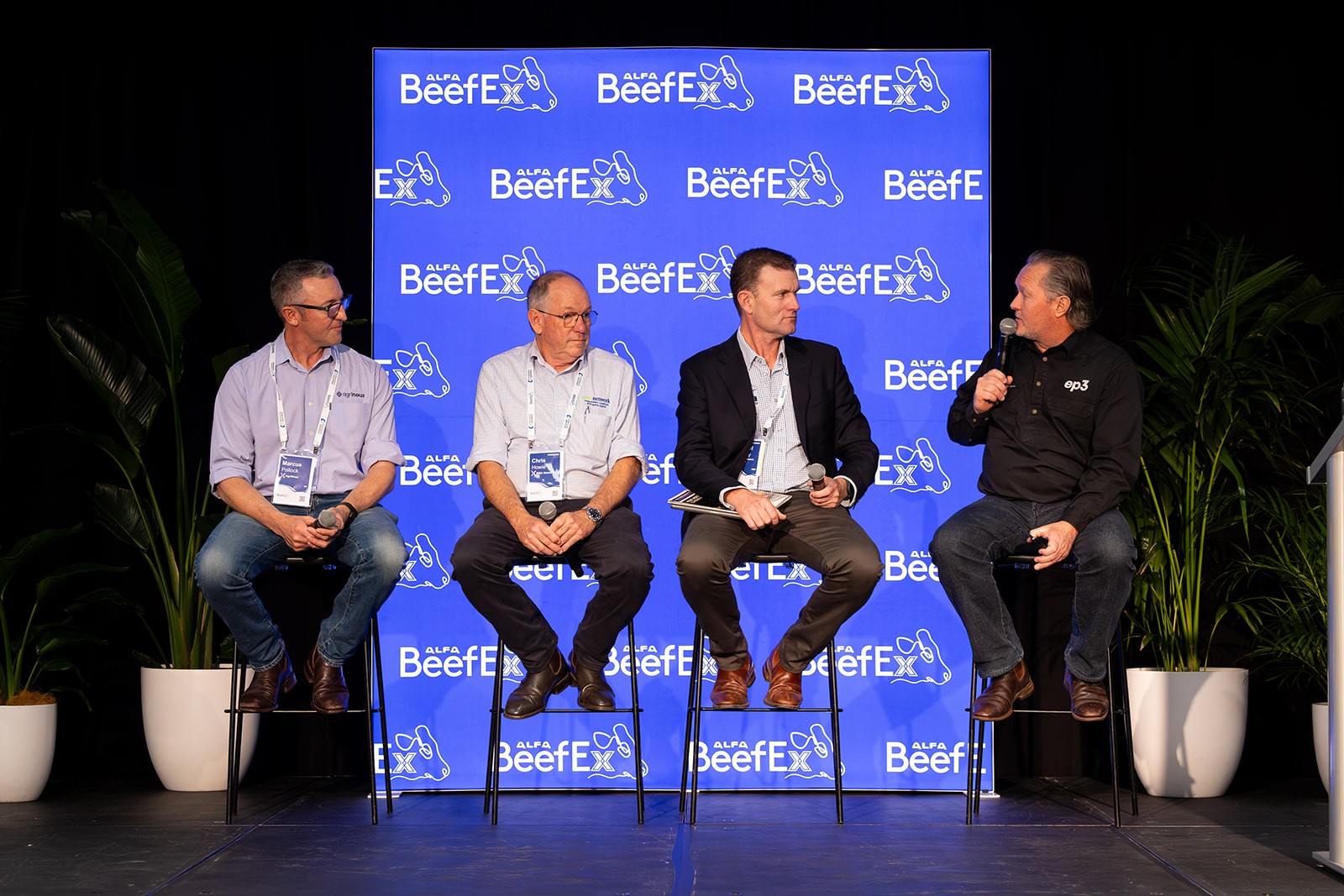
阿格瑞诺斯公司总经理马库斯·波洛克、RMA网络首席执行官克里斯·豪伊、澳大利亚肉类与畜牧业协会总经理迈克尔·克劳利,以及Ep3公司的马特·达尔格利什。
图片提供:澳大利亚育肥场协会(ALFA)。
把握全球市场变局
2026牛肉产业博览会也为研讨澳大利亚谷饲牛肉行业所处的宏观经营环境提供了契机。
题为《动荡、资本与牛产业》的专题圆桌论坛邀请澳大利亚肉类与畜牧业协会国际市场部总经理安德鲁·考克斯、澳大利亚育肥场协会首席执行官克里斯蒂安·穆尔德斯、JBS澳洲北部业务首席运营官布伦丹·塔特,共同研判全球牛肉市场的机遇与挑战。
研讨核心围绕日趋复杂的国际贸易形势,涵盖地缘政治不确定性、贸易政策变动以及市场格局调整等议题。
安德鲁表示,谷饲牛肉行业持续承受多重外部因素影响,包括美国贸易政策与贸易保护主义、中国牛肉保障措施以及各类全球性不确定因素。
“本次讨论聚焦过去18个月全球市场遭遇的各类冲击,同时提出行业需要在快速变化的环境中保持灵活应变能力。”他说道。
尽管挑战重重,安德鲁指出澳大利亚谷饲牛肉出口表现稳健,出口市场布局日趋多元。
“十年前,日本市场约占澳大利亚谷饲牛肉出口总量的一半,”他说。
“日本至今仍是稳定的核心市场,但目前除中国、韩国之外,加拿大、英国、中东及东南亚市场均实现显著增长。
“市场多元化是行业的利好信号,也印证了澳大利亚作为优质谷饲牛肉供应国的良好口碑。”
安德鲁提到,行业在持续发展、应对全球变局的过程中,守住客户信任、稳定产品品质、维系良好市场合作关系至关重要。
“我们的核心竞争力始终源于稳定的品质,以及与客户之间建立的信任。”
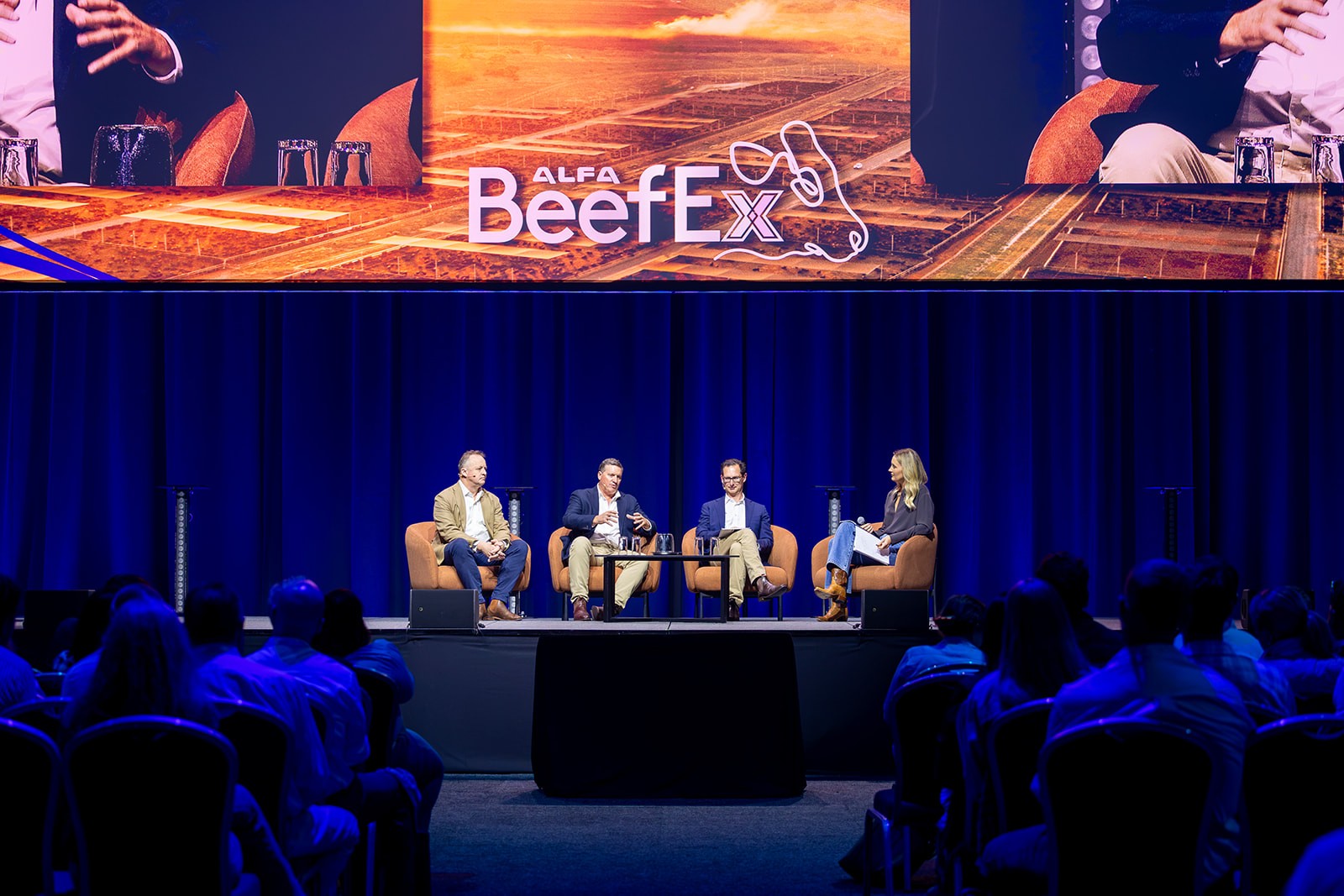
《动荡、资本与牛产业》圆桌论坛嘉宾:澳大利亚肉类与畜牧业协会国际市场部总经理安德鲁·考克斯、JBS澳洲北部业务首席运营官布伦丹·塔特、澳大利亚育肥场协会首席执行官克里斯蒂安·穆尔德斯,共同探讨全球牛肉市场面临的机遇与挑战。
图片提供:澳大利亚育肥场协会(ALFA)。
科研落地转化
本届牛肉产业博览会反复提及一个核心议题:要把科研成果转化为具备商业价值、可在全行业推广落地的方案。
“育肥场科研加速转化项目(RAAD)”等项目正在推动这一进程,在商业化育肥场实景环境下对各类技术与饲养管理方案开展验证,形成实证依据,为理性投资决策提供支撑。
“2040育肥场”论坛再次强调:创新只有在商业化育肥场成功落地,才能真正产生价值。
整场大会的交流都指出,技术在大范围推广前,必须先在真实生产场景中测试,验证其在生产效率、运营管理、动物福利、可持续性等方面可量化的效益。
泰丝表示,牛肉产业博览会这类活动能够帮助育肥场经营者接触新兴技术、了解实际应用方式,意义重大。
“实地观摩技术演示,同时有MLA工作人员和科研人员现场答疑,非常有助于推动技术落地应用。”她说。
“很多时候,推广应用的第一步,就是让大家先知道有这些可行方案。”
她提出,科研人员、产业端与技术服务商之间的联动至关重要,这样才能保障创新成果在商业化育肥场景中创造价值。
“只有产出的知识能够为行业带来更好的效益,科研才算真正实现价值,”泰丝说道。
“如果缺少落地转化的渠道,哪怕质量再好的研究,也只会停留在纸面的数据与文字。”
MLA与ALFA持续联动产业、科研机构以及技术服务商,聚焦能够解决实际痛点、提升行业长期竞争力的方案。
迈克尔表示,技术落地转化始终是MLA在育肥领域投入的重点方向。
“我们的转化项目进展势头良好,越来越多商业化育肥场希望在自家场内测试创新技术。”他说。
“我们投入研发的目标,就是让科研成果切实为育肥行业带来收益。”
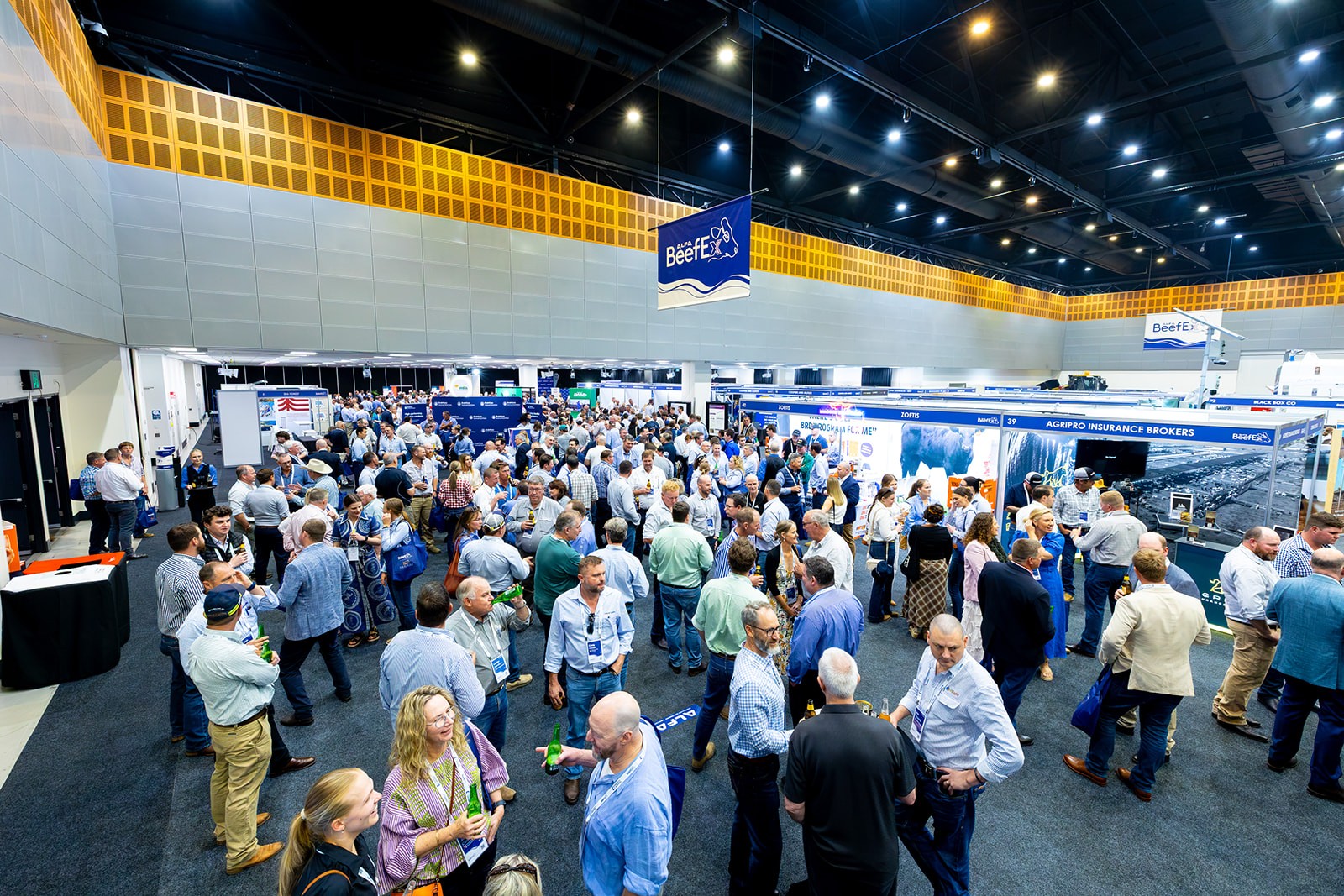
行业领袖、科研人员与育肥场经营者共同研讨未来数十年将重塑澳大利亚育肥产业的发展机遇。
图片提供:澳大利亚育肥场协会(ALFA)。
育肥行业:前路何方
2026牛肉产业博览会充分展现澳大利亚育肥行业强劲的创新活力,也凸显产业协作对推动未来发展的重要意义。
“2040育肥场”论坛探讨了各类创新方向,涵盖自动饲喂系统、牲畜生长预测工具、可再生能源方案以及未来消费体验等。
但整场论坛传递出统一观点:技术并非最终目标,而是助力育肥场提升生产效率、改善可持续发展成效、筑牢客户信任的工具。
泰丝认为,育肥行业最具潜力的发展方向,是助力经营者实现单头牲畜层面的精准决策。
“育肥场目前已经产生海量数据,下一步是打通各类数据,转化成及时有效的决策依据。”她表示。
“在我看来,真正亮眼的技术未必是采集更多数据的工具,而是能把数据转化成可落地参考、支撑科学决策的工具。”
展望未来,迈克尔对澳大利亚谷饲牛肉产业前景、以及育肥场在满足全球增长需求中的作用保持信心。
“从澳大利亚红肉的需求前景来看,基本面十分向好。”他说。
“随着全球居民收入提升,红肉消费需求持续上涨,市场看重品质,而我们谷饲牛肉稳定的产品特性,持续为我们打开全球市场空间。
澳大利亚谷饲牛肉产业本身业态丰富,既有短期育肥模式,也有长期育肥方案,可以匹配多元化的客户需求。”
迈克尔提到,行业持续发展,意味着要持续投入,提升生产效率、推进可持续发展、积累社会公信力。
“育肥行业不断壮大,我们必须持续关注可持续发展、维护并提升公众信任、提高生产效率,思考未来育肥场的发展形态。”
迈克尔表示,MLA很荣幸携手ALFA支持本次牛肉产业博览会,珍视参与这场行业核心盛会的机会。
“我们很高兴参与本次盛会,也十分看重和ALFA的合作带来的价值。”他说。
“我们将持续支持育肥行业不断发展迭代。”
澳大利亚育肥场协会理事、牛肉产业博览会组委会主席保罗·沃格特表示,2026牛肉产业博览会彰显了澳大利亚谷饲牛肉产业当下的实力与未来的发展愿景。
“本届博览会是创办30年以来规模最大、目标最宏大的一届。很荣幸汇聚全行业同仁,在三天时间里交流学习、共贺成果、对接资源。”
“无论是‘2040育肥场’论坛畅想行业未来,还是表彰当下领跑的从业者与企业,2026牛肉产业博览会都充分证明,这个产业、这场盛会能够持续发展的底气所在。”
消息来源:MLA
Showcasing innovation and partnership at BeefEx 2026
Meat & Livestock Australia (MLA) was proud to partner with the Australian Lot Feeders' Association (ALFA) for BeefEx 2026, Australia’s flagship grainfed beef industry event hosted by ALFA.
Held from 22–24 September, the biennial conference brought together lot feeders, service providers, processors, exporters, researchers and industry experts from across the supply chain to discuss the opportunities and challenges shaping the future of the feedlot sector.
The event provided an important platform to showcase the long-standing partnership between MLA and ALFA and highlighted how levy-funded investments continue to support research, innovation and adoption across the industry.
MLA and ALFA continue to work together to address industry priorities through targeted research, development and adoption investments.
Guided by the MLA-ALFA Feedlot Research and Development Strategy, investments continue to focus on improving productivity, animal wellbeing, workforce capability, automation and environmental sustainability.
BeefEx provided an opportunity to connect directly with levy payers and demonstrate how these investments are translating into actionable outcomes for lot feeders.
MLA Managing Director Michael Crowley said the partnership between MLA and ALFA played an important role in ensuring industry priorities were reflected in research, development and adoption investments.
“The partnership we have with ALFA is very strong, and we consult heavily with the industry body to make sure the priorities we're investing in align directly with the sector's requirements,” he said.
“We're really keen to make sure we're delivering value to levy payers and directly addressing the priorities that will have the biggest impact for the feedlot sector.”
Michael said BeefEx provided a valuable opportunity to bring together all parts of the grainfed beef supply chain.
“It allowed us to showcase the latest outcomes of research and development, engage directly with lot feeders on adoption opportunities and work closely with the service providers supporting the industry,” he said.
“It really represented the whole sector, not just the lot feeders themselves, but also the service providers and the broader network supporting the grainfed beef industry.”
Envisioning the feedlot of 2040
A major highlight of BeefEx 2026 was the Feedlot ‘40 session delivered in partnership with MLA and narrated by futurist Anders Sörman-Nilsson.
The session challenged attendees to consider what Australian feedlots could look like in 2040 and brought together researchers, lot feeders and industry experts to explore emerging technologies, management systems and future opportunities from induction through to the consumer.
Delegates were taken through both technologies already influencing feedlot operations and innovations still at the concept stage. Providing a glimpse into how the industry may evolve over the coming decades.
A recurring theme throughout Feedlot ‘40 was how emerging technologies could support better decisions across the entire feedlot system.
Discussions explored the growing role of artificial intelligence, automation, predictive analytics and digital monitoring systems in improving productivity, animal wellbeing, labour efficiency and operational performance.
The session highlighted how future technologies may help lot feeders move beyond measuring outcomes at the end of the feeding period towards making more informed decisions much earlier.
This included opportunities to identify animal health, wellbeing, performance and marketing outcomes at an individual animal level.
One of the innovations showcased was SizeR and its ability to predict, using AI, feedlot and carcase outcomes at an individual animal level.
MLA Board Director and Gundamain Pastoral Company Director Tess Herbert said advances in digital technologies were helping shift the industry towards more informed decision-making throughout the production cycle.
“It is exciting to see technology moving beyond simply measuring an outcome at the end of the feeding period, towards identifying an individual animal's potential at multiple stages, during backgrounding, at induction, while on feed and potentially through to exit and carcase performance,” she said.
“If we can use information earlier in an animal's life or feeding period to make better decisions around health, nutrition, management and marketing, there is the potential to improve both animal outcomes and business performance.”
Feedlot ‘40 also explored how technologies already in development could work together in the future.
Conversations throughout the session highlighted the potential to combine information from systems such as SizeR, behavioural monitoring cameras, automated feeding systems and weather intelligence platforms to support increasingly precise management decisions.
Future sustainability opportunities were another focus of the presentation.
Delegates heard how innovations in areas such as renewable energy, heat load management, water planning and covered housing systems could support more productive and resilient feedlot operations while improving resource efficiency and animal wellbeing.
The session also reinforced that technology should support, rather than replace, the people working within feedlots.
Across the broader BeefEx program, there was strong recognition of the role feedlot teams play in caring for livestock and driving operational success, which highlighted the importance of combining human expertise with emerging technologies.
Perspectives also considered how customer expectations may evolve by 2040 with future consumers expected to seek greater transparency around provenance, sustainability, animal wellbeing and production practices.
The ability to generate trusted data and verify production outcomes was identified as an important opportunity for the sector moving forward.
Reflecting on the broader BeefEx program, Michael said the conference achieved a strong balance between future-focused conversations and addressing issues currently facing the sector.
“There was a really good balance in the program between being future-focused and addressing the priorities directly in front of us,” he said.
Feedlot ‘40 speakers
A special thank you to the Feedlot ‘40 speakers who shared their expertise and helped bring the future-focused session to life:
Industry
Tom Green, CAMM Agriculture
Amanda Moohen, Condabri Beef
Tony Fitzgerald, Whyalla Beef
Scott Braund, Mort & Co
Bronte Modra, Specialised Solutions
Research and technical experts
Dr Kev Sullivan, PAC Australia
Sam Platts, Bovine Dynamics
Dr Ben Madin, Ausvet
MLA
Sarah Strachan
Mary Jane Morse
AgriNous General Manager Marcus Pollock, RMA Network CEO Chris Howie and MLA Managing Director Michael Crowley with Matt Dalgleish, Ep3. Image supplied: ALFA.
Navigating a changing global market
BeefEx 2026 also provided an opportunity to discuss the broader operating environment facing Australia's grainfed beef sector.
A panel session titled Chaos, Capital and Cattle brought together MLA General Manager International Markets Andrew Cox, ALFA CEO Christian Mulders and JBS Australia Chief Operating Officer Northern Operations Brendan Tatt to discuss the opportunities and challenges shaping global beef markets.
Discussion centered on the increasing complexity of international trade, including geopolitical uncertainty, shifting trade policies and changing market dynamics.
Andrew said the grainfed beef sector continued to navigate a range of external influences, from US trade policy and protectionism to China's beef safeguard measures and broader global uncertainty.
"The discussion focused on the disruptions that have occurred across global markets over the past 18 months and the need for industry to remain agile in a rapidly changing environment," he said.
Despite these challenges, Andrew highlighted the strong performance of Australia's grainfed beef exports and the growing diversification of export markets.
"Ten years ago, Japan accounted for around half of Australia's grainfed beef exports,” he said.
"While Japan remains an important and consistent market, we've seen significant growth from not just China and Korea, but Canada, UK, Middle East and Southeast Asia.
"That diversification is a positive story for the industry and reflects the strength of Australia's reputation as a supplier of quality grainfed beef."
Andrew said maintaining customer trust, product consistency and strong market relationships would remain critical as the industry continues to grow and respond to changing global conditions.
"Our success continues to come back to quality, consistency and maintaining trust with our customers."
The Chaos, Capital and Cattle panel session brought together MLA General Manager International Markets Andrew Cox, JBS Australia Chief Operating Officer Northern Operations Brendan Tatt and ALFA CEO Christian Mulders to discuss the opportunities and challenges shaping global beef markets. Image supplied: ALFA.
Turning research into adoption
A common theme across BeefEx was the importance of translating research into commercially relevant outcomes that can be adopted by the wider industry.
Programs such as the Feedlot Research for Accelerated Adoption (RAAD) Program are helping accelerate this process by evaluating technologies and management practices under commercial feedlot conditions and generating evidence that supports informed investment decisions.
Feedlot ‘40 reinforced that innovation only creates value when it can be successfully implemented within commercial feedlot enterprises.
Conversations throughout the event highlighted the importance of testing technologies under real-world conditions and demonstrating measurable productivity, operational, animal wellbeing and sustainability benefits before widespread adoption occurs.
Tess said events such as BeefEx played an important role in helping lot feeders engage with emerging technologies and understand their practical application.
“Seeing technology demonstrated in a practical environment and having MLA staff and researchers available to answer questions is incredibly valuable for encouraging adoption,” she said.
“Often the first step towards adoption is simply creating awareness of what is possible.”
She said the connection between researchers, industry and technology providers was critical to ensuring innovations delivered value in commercial feedlot environments.
“Research ultimately creates value when the knowledge generated can be translated into better outcomes for industry,” Tess said.
“Without that pathway to adoption, even very good research risks remaining as words and numbers on a page.”
Working closely with industry, researchers and technology providers, MLA and ALFA continue to focus on solutions that address real-world challenges and strengthen the sector's long-term competitiveness.
Michael said adoption remained a critical focus for MLA's investment in the feedlot sector.
“We're seeing strong momentum through our adoption programs and increasing engagement from commercial feedlots wanting to evaluate innovations within their own operations,” he said.
“The goal is to ensure the research and development we're investing in translates into meaningful benefits for the feedlot sector.”
Industry leaders, researchers and lot feeders explored the opportunities that could define Australia's feedlot sector over the coming decades. Image supplied: ALFA.
What's next for the feedlot sector?
BeefEx 2026 reinforced the strength of innovation across Australia's feedlot sector and the importance of industry collaboration in driving future progress.
Feedlot ‘40 explored a broad range of innovations from automated feeding systems and predictive animal performance tools to renewable energy solutions and future consumer experiences.
Yet a consistent message emerged throughout the session – technology is not the end goal. It is a tool to help lot feeders improve productivity, strengthen sustainability outcomes and build trust with customers.
Tess said one of the most exciting opportunities for the feedlot sector lay in helping operators make increasingly informed decisions at an individual animal level.
“Feedlots already generate enormous amounts of information, but the next step is being able to bring different datasets together and turn them into useful, timely decisions,” she said.
“For me, the most exciting technologies are not necessarily those that collect more data; they are the ones that turn that data into information we can actually use to make a better decision.”
Looking ahead, Michael said he remained confident about the future of Australia's grainfed beef industry and the role feedlots would continue to play in meeting growing global demand.
“When I look at the demand outlook for Australian red meat, the fundamentals are very strong,” he said.
“As people earn more money around the world, they're seeking out more red meat, they're chasing quality, and the consistency of our grainfed beef production continues to create opportunities in markets around the world.
“There is also significant diversity within Australia's grainfed beef sector, from short-fed programs through to long-fed programs, allowing us to meet a wide range of customer needs.”
Michael said the continued growth of the sector reinforced the importance of ongoing investment in productivity, sustainability and building social capital.
“The growth of the feedlot sector means we need to continue thinking about sustainability, maintaining and growing community trust, driving productivity and how the feedlot of the future will evolve,” he said.
Michael said MLA was proud to support BeefEx alongside ALFA and valued the opportunity to be part of the industry's flagship event.
“We appreciate being part of the event and the value that comes from our partnership with ALFA,” he said.
“We'll continue to support the feedlot sector as it grows and evolves into the future.”
ALFA Board Member and BeefEx Committee Chair Paul Vogt said BeefEx 2026 highlighted both the current strength and future ambition of Australia's grainfed beef sector.
“This has been the biggest and most ambitious BeefEx in our 30-year history, and it's been a privilege to bring this industry together for three days of genuine learning, celebration and connection,” he said.
“From the Feedlot ‘40 session imagining where our sector is headed, to the awards recognising the people and businesses leading the way today, BeefEx 2026 has shown exactly why this industry, and this event, continues to grow.”
Source:MLA

