

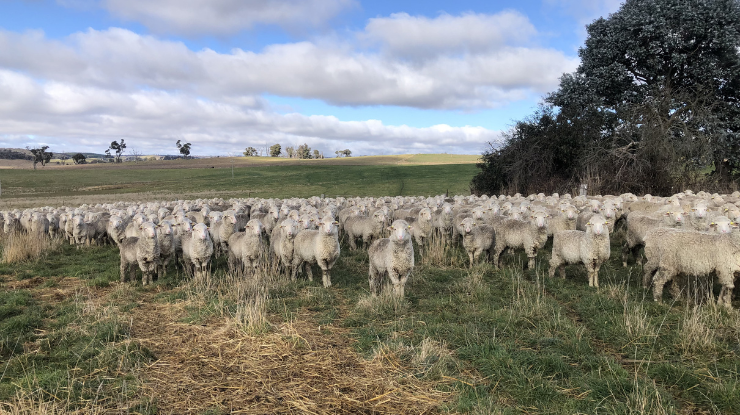
凯利家族农场对母羊与羔羊进行精细化管护,以实现最优成活几率。图片来源:盖比・凯利
为美利奴母羊补充必需维生素,助力新南威尔士州中部养殖户盖比·凯利提升羔羊成活率。
盖比及其家人(父母斯图尔特、梅兰妮,叔叔安德鲁,子女、姐姐克劳迪娅,祖父母克利夫、罗宾妮)作为合作养殖户,参与了由澳大利亚羊毛创新局与澳大利亚肉类及畜牧业协会联合资助的项目。该项目聚焦实用养殖管理措施,旨在降低母羊死亡率。
本项目研究了母羊死亡的各类成因,以及多种实操干预方案,分析其在产羔前、产羔期间及产羔后对母羊存活率的影响。
农场概况:
凯利家族农场—新南威尔士州纽布里奇、卡卢拉地区
占地面积:2225公顷
养殖规模:美利奴绵羊22000只,海福特肉牛600头
草场状况:长势良好
土壤类型:壤土
年均降雨量:662毫米
补充必需维生素:
项目第一阶段(2024 年)统计的母羊死亡诱因,为凯利农场 2025 年产羔季开展维生素 ADE 注射试验提供了依据。
在兽医艾尔莎・格兰维尔的指导下,盖比开展田间数据记录:选取场内 1000 头两岁初次配种、单胎妊娠的美利奴母羊,其中半数在产羔前一个月注射维生素 ADE,设为试验组。
另外 500 头划为对照组,沿用农场常规饲养管理方式,按体况、体重及单双胎妊娠情况进行分群与饲喂。
艾尔莎与盖比希望验证该注射方案能否降低阴道脱垂发生率 —— 阴道脱垂与难产是凯利所在地区的突出养殖难题,同时减少由此引发的母羊及羔羊死亡。
艾尔莎表示:“母羊大多在产羔后出现脱垂,具体诱因尚不明确,但只要能降低脱垂风险,就能有效提升整体存活率。”
通常阴道脱垂多发于产羔前,子宫脱垂多见于产羔后。但项目第一阶段调研发现,新南威尔士中部高原地区的农场中,母羊在产羔前后均有阴道脱垂病例发生。
阴道脱垂的诱因复杂,属于多因素共同作用所致。本次凯利农场试验参考了新西兰一项小型研究结果:母羊产前注射商用维生素 ADE 制剂,可显著降低脱垂发病概率。
试验组母羊均注射 1 毫升维生素制剂,初步数据显示:试验组脱垂病例少于对照组。
同时初步结果表明,试验组母羊产羔期间死亡率低于对照组。
盖比提到,今年脱垂整体发病数量较往年明显偏低,2025 年春季产羔的美利奴母羊中,中部高原其他农场也普遍出现这一趋势。
整体来看,羔羊至标记阶段成活率达82%,较上年初产母羊提升 5%。盖比认为,这一成效也得益于前期饲养准备充分,以及 2025 年产羔季气候条件良好。
盖比称:“今年产羔期天气十分适宜,养殖环境条件理想。”
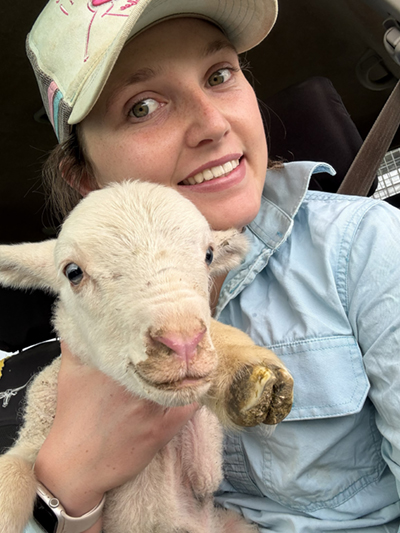
盖比・凯利在纽布里奇自家农场与一只羔羊合影。
投资回报可观:
完整的成本效益分析仍在进行中,但维生素注射的投资回报已十分可观。
盖比表示:“每只母羊注射成本约1澳元,给试验组完成注射总共只需500澳元。只要通过注射多成活4只羔羊,就能收回全部投入成本。”
精细化饲养管理:
整个产羔季期间,盖比每天清晨巡查母羊,遇难产羔羊便协助助产。
她表示:“今年难产羔羊数量不多。初产母羊因身体尚未完全适应分娩,本就更容易出现难产。翻看所有记录台账,我经手助产的羔羊里仅有三只没能存活,另有三四只经助产顺利成活。”
母羊被安置在牧草长势茂盛的牧场,充足的牧草可为产羔提供充足饲草与栖息庇护条件。
农业科技赋能精细化管护:
借助农业管理平台 AgriWebb,盖比按照营养需求,将 250 头为一群的母羊分群放牧,安置在面积 25 公顷的牧区内。
“AgriWebb 特别实用,可以录入每个牧场的大致饲草存量,系统会提示何时应当转场放牧。还能记录驱虫用药情况,甚至录入驱虫药剂的编号。”
产羔结束后,盖比会视情况为母羊补充饲喂。
她表示:“这样既能维持母羊良好体况,还能调节羔羊肠道微生物群落,同时让羊群熟悉红色大型饲料拖车,形成采食条件反射。”
农场会定期开展蠕虫检测,尽早发现体质变差的母羊并及时干预,始终把维持羊群健康放在首位。
盖比已结束间隔年学业,回到家族农场帮忙。她计划先完成农业三级证书课程,之后继续深造,立志成为一名大型动物兽医。
消息来源:MLA
Vitamin trial boosts lamb survival by 5%
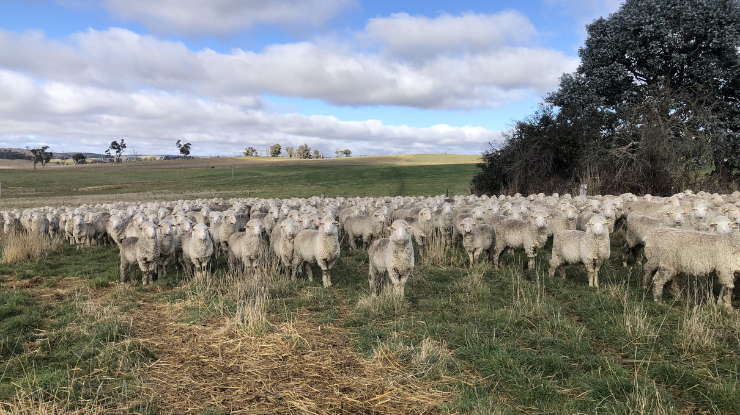
Ewes and lambs at the Kelly family’s farm are managed carefully to achieve optimum survival rates. Image: Gabby Kelly
Providing Merino ewes with essential vitamins supported survival rates for Central NSW sheep producer, Gabby Kelly.
Gabby, along with her family (including her parents Stuart and Melanie, uncle Andrew and children, sister Claudia and grandparents Cliff and Robynne), were host producer in an Australian Wool Innovation and MLA co-funded project focused on practical management to reduce ewe mortality.
The project investigated causes of ewe mortality and various practical intervention strategies and their impact on ewe survival before, during and after lambing.
FARM SNAPSHOT
Kelly family – Newbridge and Caloola, NSW
Area:2,225ha
Enterprise: 22,000 Merino sheep, 600 Hereford cattle
Pastures: Viable
Soils:Loam
Rainfall: 662mm
Take your vitamins
The causes of ewe mortality reported in phase 1 of the project (2024) informed the selection of the vitamin ADE injection trial for the 2025 lambing cycle on the Kellys’ farm.
Guided by veterinarian Elsa Glanville, Gabby recorded on-farm data around the impact of an intervention which saw half of their 1,000 two-year-old maiden ewes with single pregnancies receive a vitamin ADE injection a month prior to lambing (the ‘treatment group’).
The other 500 were placed in the ‘control group’ and were managed according to their usual on-farm strategies, including classing and feeding ewes based on their body condition, weight and single or twin pregnancy status.
Elsa and Gabby wanted to know if the injection would help reduce vaginal prolapse rates – which, along with dystocia, is a big issue in the Kellys’ region – and the ewe and lamb mortality associated with it.
“Most commonly, ewes prolapse after lambing – we don’t know what causes it but if we can reduce the risk of prolapse, it will have a positive impact on our survival rates,” Elsa said.
Typically, vaginal prolapse occurs prior to lambing and uterine prolapse after lambing. However, in phase 1 of the project, on farms across the Central Tablelands, ewes experienced vaginal prolapse both before and after lambing.
Pinpointing the risk factors for vaginal prolapse can be difficult and may be multifactorial. The trial on the Kellys’ farm was based on the results of a small trial in New Zealand, which showed a significant reduction in the incidence of prolapse in ewes treated with commercial vitamin ADE prior to lambing.
Following the 1mL vitamin injection, preliminary results suggest Gabby recorded fewer prolapses in the treatment group that received the vitamin injection than in the control group.
Additionally, preliminary results suggested ewe mortality during lambing was lower in the treated ewes than in the control ewes.
However, Gabby said prolapse numbers were significantly lower than usual. Anecdotally, this was a trend observed across other Central Tablelands farms with spring lambing Merino ewes in 2025.
Overall, lamb survival rate to marking was 82%, up 5% on the previous year’s maiden ewes, with Gabby acknowledging this could also have been due to good preparation and the good season they had during their 2025 lambing cycle.
“We had perfect weather for lambing, they were ideal conditions,” Gabby said.
Gabby Kelly with one of the lambs at her family farm in Newbridge. Image: Gabby Kelly
Good return on investment
A comprehensive cost-benefit analysis is still being conducted, however the return on investment of the vitamin injection appears solid.
“It’s around one dollar a head, so $500 to give the treatment group the injection – so if we gain four extra lambs from implementing the vitamin injection, it’s covered the cost of it,” Gabby said.
Careful management
Throughout the lambing season, Gabby checked the ewes every morning and helped pull lambs if they were stuck.
“There weren’t many lambs stuck – with maidens they are more likely to have dystocia as their bodies still need to adjust to birthing, but looking at all the data sheets I might have only pulled three lambs that didn’t make it, but three or four that I helped did survive,” she said.
Ewes are put in paddocks with grass high enough to provide ample feed and shelter for lambing.
Ag-tech fine-tunes management
With the help of AgriWebb, Gabby splits up groups of 250 ewes according to nutritional requirements into 25ha paddocks.
“AgriWebb is so helpful – you can put in roughly how much feed is in each paddock and it will tell you when to take the sheep out. You can record drenching and even the serial number of the drench.”
Following lambing, Gabby supplementary feeds ewes if needed.
“This keeps them in good condition and adjusts the microbiome in the lamb’s gut, as well as gets them used to the big red trailer which means feed,” she said.
Frequent worm tests are undertaken to ensure they catch any ewes before they go downhill. Keeping them in good health is a top priority.
Gabby has finished her gap year back on the family farm and she’s looking forward to completing her Certificate III in Agriculture ahead of studying to be a large-animal veterinarian.
Source:MLA

