

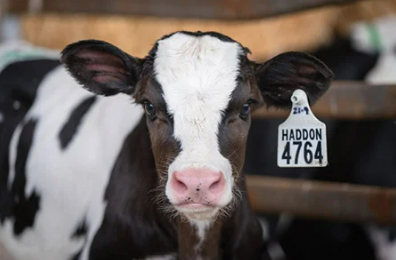
澳大利亚乳业局联合澳大利亚肉类与畜牧业协会(MLA)最新推出 CalfWays(犊牛发展计划) 项目,核心目标是优化非留种乳用犊牛的养殖管理模式,打造可持续、可行的乳源牛肉产业化发展路径。
CalfWays 合作项目将在整条供应链上,推动动物福利、环境效益与生产效率同步提升。
澳大利亚每年新生乳用犊牛超 100 万头,项目落地后将带来可观综合效益。
该计划由澳大利亚乳业局联合 150 余家相关机构共同打造,目标是到 2035 年,让所有无需留存更新牛群的乳源犊牛都拥有具备市场价值的出路,主要作为肉牛进行育肥利用。
项目指导委员会主席帕特里克・哈钦森曾任澳大利亚肉类工业委员会首席执行官,凭借在农业商业战略、可持续发展及贸易谈判领域的丰富经验,他十分适合牵头推进此项计划。他积极推动建立合作机制与联合投资模式,为《2035 年 CalfWays 乳用犊牛可持续管理发展路线图》中的各项举措筹措资金。
帕特里克表示:“CalfWays 为乳业和红肉行业提供了切实契机,通过为每一头犊牛打造真正有价值的产业出路,解决这一长期存在的行业难题。”
“最让我看好的是,这并非纸上理论,而是贴合实际、以商业落地为导向的务实工作,能够凝聚整条供应链形成合力。”
“一旦项目顺利推进,既能提升动物福利水平、稳固农场经营收益,还能搭建起一套惠及各方的可持续发展模式,覆盖从养殖户、加工企业到零售商的全产业链。”
价值再造
建立公犊牛及非留种母犊牛的市场化产销链条,将不再需要对这类犊牛进行常规场内安乐死或早期屠宰,对全行业生产效率、动物福利及减排降碳都具有积极意义。
要挖掘非留种乳用犊牛的价值潜力,养殖户需获取专业的选育、饲养与生产管理知识及配套资源。
CalfWays 将推动行业合作,培育市场需求,并推广性控精液、基因检测、定向配种等技术,优化牛群结构配比。
以此确保所有新生犊牛,都能适配种群留种更新或市场化育肥的需求。
CalfWays 还将在整条产业链上打造多重价值增长点:
奶农:非留种犊牛若能纳入肉牛市场,可形成新增收入来源。
育肥养殖户:市场需求提升将带动犊牛养殖,按市场标准育肥获益。
肉类加工企业:乳源牛肉销量增加,带动红肉产品整体增值。
乳品加工商与零售商:从可持续发展和企业社会责任角度,规范犊牛可持续管理可提升品牌价值。
食用品质
澳大利亚肉类标准局(MSA)的消费者感官测评试验表明:乳源肉牛只要饲喂营养合理、生长培育路径得当,在嫩度、多汁度、风味方面表现优异。育肥状况良好的荷斯坦牛、娟姗牛,其牛肉食用品质可与传统肉牛品种媲美,这也是乳源牛肉能够成为肉牛供应链优质补充品类的关键原因。
减排降碳
乳源牛肉与行业减排目标高度契合。通过将乳用犊牛纳入商品化市场,CalfWays 项目助力全产业链降低范围三温室气体排放。
究其原因,乳源牛肉的排放强度远低于传统肉牛养殖,核心在于母牛的养殖排放可同时分摊至牛奶与牛肉两类产品。
扩大乳源牛肉市场需求的四大举措
CalfWays 计划围绕扩大乳源牛肉市场需求、扶持乳业和肉牛业养殖户,确立四大核心工作方向:
利益相关方承诺:践行可持续养殖,保障犊牛健康成长、实现价值转化
能力建设:提升乳业与肉牛业各方主体的价值创造能力
市场对接:为澳大利亚乳业及肉牛业打造稳固市场机遇
培育合作生态:以协作与创新壮大乳业、肉牛产业整体实力
消息来源:MLA
Cream of the crop: beef from dairy paves pathway
Transforming the management of non-replacement dairy calves by creating a viable beef from dairy pathway is the key focus of a recently launched dairy Australia and MLA Initiative – CalfWays.
The CalfWays partnership will drive welfare, environmental and productivity outcomes across the supply chain.
With more than one million dairy calves born each year, the benefits are set to be significant.
Developed by Dairy Australia in collaboration with more than 150 stakeholders, the initiative aims to ensure all dairy-origin calves which are not required for herd maintenance will have a valued market pathway, primarily as beef cattle, by 2035.
Chair of the project’s Steering Committee – former CEO of the Australian Meat Industry Council, Patrick Hutchinson – is well placed to lead the initiative with his wealth of experience in agribusiness strategy, sustainability and trade negotiation. He’s keen to gain momentum for the development of partnerships and co-investment structures to fund the initiatives outlined in the CalfWays Sustainable Dairy Calf Management Roadmap to 2035.
“CalfWays gives both the dairy and red meat sectors a real chance to fix a longstanding challenge by creating a genuine, valued pathway for every calf,” Patrick said.
“What excites me is that this isn’t theory, it’s practical, commercially-minded work that brings the whole supply chain together.
“If we get this right, we improve welfare, strengthen farm businesses and build a pathway that is sustainable for everyone, from producers through to processors and retailers.”
Creating value
Establishing market chains for male and non-replacement female dairy calves will remove the need for routine on-farm euthanasia or early life slaughter. This is good news for industry-wide productivity, animal welfare and emissions reductions.
To leverage the value creation potential of non-replacement dairy calves, producers need access to the right breeding, rearing and production knowledge and resources.
CalfWays will facilitate industry partnerships to generate market demand and increase awareness of techniques such as the use of sexed semen, genomic testing and strategic breeding aimed to optimise herd composition.
This will ensure that all calves born are better suited to either herd replacement or market needs.
CalfWays presents multiple opportunities for value creation across the supply chain:
Dairy farmers: Non-replacement calves represent a potential revenue stream if they can be integrated into the beef market.
Rearers and finishers: Benefits from increased demand will incentivise the rearing of calves to meet market specifications.
Meat processors: Increased value from more sales of red meat that includes beef from dairy.
Dairy processors and retailers: Value in sustainable calf management from a sustainability and corporate social responsibility perspective.
Eating quality
Meat Standards Australia (MSA) consumer sensory trials have shown that dairy beef, when raised with the right nutrition and growth pathways, performs well in terms of tenderness, juiciness and flavour. Well-finished Holstein and Jersey cattle can produce beef of comparable eating quality to traditional beef breeds – a key factor that makes beef from dairy a valuable addition to the beef supply chain.
Lowering emissions
Beef from dairy is well aligned to industry’s emissions reductions goals. By integrating dairy calves into productive markets, CalfWays supports opportunities for supply chains to reduce scope three greenhouse gas emissions.
This is because beef from dairy emissions intensities are significantly lower than conventional beef, due to the attribution of dam emissions to both milk and beef.
Four steps to grow demand for beef from dairy
The four CalfWays themes are centred around growing demand for beef from dairy and supporting producers from both the dairy and beef industries:
Stakeholder commitment: Sustainable practices for thriving and valued calves
Capability building: Value creation capability for dairy and beef stakeholders
Market connections: Robust opportunities for Australian dairy and beef stakeholders
Fostering partnerships: Stronger dairy and beef industries through collaboration and innovation.
Source:MLA

