

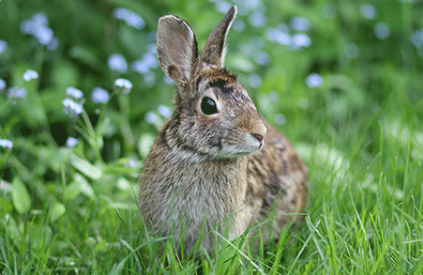
兔子仍是放牧区域内草场与植被更新最持久的威胁之一,往往在养殖户意识到问题严重性之前,就已大幅挤占饲草资源供给。
在近期举办的野猫与狐狸治理论坛上,巴斯海岸土地保育网络入侵物种协调员艾伦・斯蒂芬斯表示,兔子的生物习性,解释了饲草损耗为何会急剧加剧。
兔子妊娠期约一个月,每窝平均产仔 5 至 8 只,幼兔仅需约三个月便可达到性成熟。
母兔分娩后约半小时即可再次受孕。
一旦环境条件适宜,超快的繁殖速度就会演变成一大隐患。他表示:“周边饲草充足时,兔子会在整片区域不间断繁殖。”
即便种群数量不多,也会对草场造成长期性破坏。
艾伦称:“每公顷仅存 1 至 3 只兔子,就足以抑制多种本土植物自然更新。若每公顷兔子数量达到数百只,几乎没有植物能够存活生长。”
对养殖户而言,其危害体现在:草场存续能力下降,三叶草、多年生牧草等高价值植被遭选择性啃食,地表植被覆盖率降低,进而引发杂草疯长。
他说道:“兔子破坏农作物、损毁草场,拉低整体农牧业产能。”
本次论坛传递的一大核心观点,是重新界定兔子的防控目标。
艾伦表示:“在这类地貌环境中,实现兔子清零是否可行?答案是否定的。兔子总会从周边区域不断迁入。”
对此,艾伦建议养殖户重点抓住维系兔子生存的核心关键。
兔穴是兔子的致命弱点。没有兔穴,它们就无法有效繁衍,幼兔也很难存活。
这一原则构成了艾伦所说的兔子防控**黄金法则。
他说:“先削减种群数量,再清除兔穴,最后持续巡查巩固。如果跳过中间这一步,就永远只能被动追着兔子治理。”
他对不彻底的防控做法直言不讳:“即便往后年年投药诱杀,只要兔穴还在,兔子就始终消灭不完。只要这些洞穴留存,就会有新的兔子迁入并重新开始繁殖。”
保护饲草基底的牧场实操措施
1、先管护草场,再防控野兔
识别那些草场更新受阻、优质牧草消失或水土流失加剧的牧场地块。这些迹象往往在野兔数量明显增多之前就已显现。
2、标记活跃兔穴分布
巡查牧场、围栏沿线、水坝堤岸与河岸地带,排查并记录活跃兔穴。以此把治理精力集中在对草场改善效益最大的区域。
3、扰动兔穴前先削减野兔数量
先降低野兔数量,提升捣毁兔穴的成效。干旱时节可采用饵剂投放,重点区域实施熏蒸处理,射杀仅用作收尾手段,不宜单独作为防控方案。
4、永久封堵捣毁兔穴
在机械可抵达区域对兔穴进行翻挖或彻底开挖,从可见洞口向外四周至少延伸4米进行作业。翻挖后将土层压实,防止野兔再次掘洞。机械作业虽有前期投入,但通常能节约长期治理成本,并助力饲草植被恢复。
5、保护优质饲草与牧场资产
合理布设防兔围栏,重点保护优质草场、饲料作物、植被更新区及牧场设施。确保围栏底部离地结构设计合理,并做好日常维护。
6、跟进巡查与持续监测
复查已治理区域,对残存野兔活动及时处置,并做好基础记录。及早干预可避免小问题再度演变为大规模灾害。
7、把疫病防控当作附带收益,而非主要治理手段
疫病流行或许能暂时减少野兔数量,但无法清除兔穴,也不能保证草场长期恢复。
养殖户核心要点:灭杀野兔只能见效于短期,清除活跃兔穴才能实现草场长效恢复、提升草场质量,让降雨与肥料投入获得更好回报。
消息来源:MLA
Rabbits and your feedbase: Why warrens matter
Rabbits remain one of the most persistent pressures on pasture and regeneration across grazing landscapes, often limiting feed availability long before producers realise how big the problem has become.
Speaking at the most recent Feral Cat and Fox Management Forum, Aaron Stephens, Invasive Species Coordinator at Bass Coast Landcare Network, said rabbit biology explains why feed losses can escalate so quickly.
"Rabbits have a gestation period of about one month. The average litter is five to eight kittens, and those kittens reach sexual maturity in about three months," Aaron said.
"A rabbit that has just given birth can become pregnant again about half an hour later."
That breeding speed becomes a major issue when conditions are good. "When there’s lots of feed around, they can just breed continuously across the landscape," he said.
Even low numbers can cause long-term pasture damage.
"As little as one to three rabbits per hectare is enough to stop regeneration of many native species. When you’re looking at landscapes with hundreds of rabbits per hectare, nothing is going to survive and grow,” Aaron said.
For producers, the impact shows up as weakened pasture persistence, selective grazing of high‑value species like clover and perennials, and declining groundcover resulting in an increase in weeds.
"They destroy crops, they damage pastures and reduce overall productivity," he said.
One of the strongest messages from the forum was about reframing control targets.
"Is it achievable to have zero rabbits in a landscape like this? The answer is no," Aaron said. "Rabbits will always move in from surrounding areas."
Instead, Aaron encouraged producers to focus on what actually underpins rabbit survival.
"The warren is the rabbit’s Achilles heel. Without it, they can’t breed effectively and the young don’t stand much of a chance."
That principle underpins what Aaron calls the golden formula for rabbit control.
"You reduce the population, then you remove the warrens, then you follow up," he said. "If you skip that middle step, you’ll always be chasing rabbits."
He was blunt about partial control. "You could bait every year for the rest of your life and still have rabbits if the warrens remain," Aaron said. "As long as those burrows are there, more rabbits will move in and start breeding again."
Practical on‑farm steps to protect your feedbase
1.Start with pasture, not rabbits
Identify paddocks where pasture isn’t regenerating properly, valuable species are disappearing, or soil erosion is increasing. These signs often appear before rabbit numbers look high.
2.Map active warrens
Walk paddocks, fence lines, dam walls and creek banks to locate and record active warrens. This allows effort to be focused where it will deliver the greatest pasture benefit.
3.Reduce numbers before disturbing warrens
Lower rabbit numbers first to increase the success of warren destruction. Use baiting in dry conditions, fumigation in targeted areas, and shooting as a clean‑up tool rather than a standalone solution.
4.Destroy warrens permanently
Rip or excavate warrens wherever access allows, extending excavation at least 4m in every direction beyond the visible burrow entrances. Compact soil after ripping to prevent re‑digging. Although machinery has an upfront cost, it usually delivers long‑term savings and feedbase recovery.
5.Protect high‑value feed and assets
Use rabbit‑proof fencing strategically to protect high‑value pasture, fodder crops, regeneration areas or infrastructure. Ensure fences are correctly designed at ground level and well maintained.
6.Follow up and monitor
Recheck treated areas, respond quickly to any surviving activity, and keep basic records. Early intervention prevents small problems turning back into large ones.
7.Treat disease as a bonus, not a strategy
Disease events may temporarily reduce rabbit numbers but won’t remove warrens or guarantee long‑term pasture recovery.
Bottom line for producers: reducing rabbit numbers helps in the short term, but removing active warrens is what delivers lasting pasture recovery, stronger pastures and better returns on rainfall and fertiliser.
Source:MLA

