

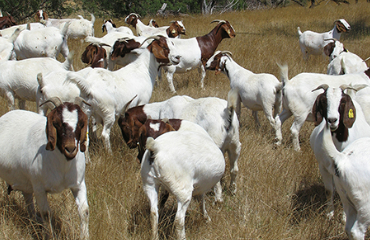
头顶的直升机、地面的摩托车以及尘土中漫长的一天,长期以来一直是澳大利亚牧场围捕山羊的典型画面。这些噪音和活动往往与收获过程的本意相悖。
默奇森豪斯牧场位于珀斯以北570公里处,近日登上了澳大利亚广播公司(ABC)的《Landline》节目,因其采用了一套更加安静且被证明更为高效的系统,取代了传统的围捕噪音。
系统工作原理
牧场主卡勒姆·卡拉思建立了一套与自然地貌协同工作的系统,而非与之对抗。
这套围捕设施本身长约9公里,宽25米。
围栏设施横跨牧场边界,利用一系列翼板和闸门,引导山羊前往围绕关键水源地建造的集中蓄栏区。该设施利用了山羊寻找水源的自然行为,系统则对这些移动路线加以引导。
牧场山羊不再需要被驱赶或追捕,而是随着时间的推移自行移动。
围栏上的闸门通过遥测技术进行远程监控和触发,使得系统可以远距离管理。对卡勒姆来说,这套系统减少了劳动力和直升机的使用,降低了成本和风险,而这二者都是偏远地区的关键考量因素。
独特的山羊管理方式
该牧场毗邻以独特生物多样性著称的卡尔巴里国家公园。在牧场范围内,是脆弱的皮拉瓦拉土地系统,其中包含史前海洋沉积物。在西澳,牧场山羊被视为有害动物,相关努力的重点是将它们从这些生态系统中主动清除。
为保护这些系统,显而易见的解决方案是投资建设围栏。通过使用围栏形成围捕设施,卡勒姆有效地将当地视为有害动物的山羊转变为一个畜牧业企业,并有望在未来五年内实现投资回报。
应用的收获方法
虽然这套围捕设施的规模独一无二,但其背后的思路并非如此。大规模放牧经营正在逐步转向更多依赖基础设施和科技、更少依赖劳动密集型干预的体系。
从依赖时机、条件和可达性的收获方法过渡到全年被动式活动,卡勒姆得以更可持续地收获山羊。围栏、水源布局和远程监控取代了主动围捕,这一模式可推广至其他地区和物种,特别是针对野猪或骆驼等野生动物。
动物的福利也得到了考虑,传统围捕方法通常给动物带来的压力得以减轻。随着围捕设施的不断改进,卡勒姆和默奇森豪斯牧场将继续成为澳大利亚山羊产业的开创性案例研究。
您可以通过ABC在线了解更多关于该牧场的信息,或观看《Landline》节目片段。
消息来源:MLA
Producer spotlight: Inside WA’s 9km goat trap
Helicopters overhead, motorbikes on the ground and long days in the dust have long defined goat mustering across Australia’s rangelands. The noise and movement oftentimes are counterintuitive to the process of harvesting.
Murchison House Station, 570km north of Perth, was recently featured on the Australian Broadcasting Corporation’s (ABC) Landline for its system that has replaced the traditional noise of mustering with something far quieter and proving to be more efficient.
How the system works
Owner Calum Carruth has built a system that works with the landscape rather than against it.
The trap itself is around 9km long by 25m wide.
Stretching across the border of the property, the trap design uses a series of wings and gates to guide goats towards a central holding area, built around key water points. The infrastructure draws on natural behaviour where goats move in search of water, and the system channels that movement.
Instead of being mustered or pursued, over time, rangeland goats are moving themselves.
The gates on the trap are monitored and triggered remotely via telemetry, allowing the system to be managed from a distance. The results for Calum have been a reduction in labour and helicopter use, reducing cost and risk, which are both key considerations for remote areas.
Unique goat management
The station borders the Kalbarri National Park, known for its unique biodiversity. Within the property boundaries is the fragile Pillawarra land system, containing prehistoric marine sediments. In WA, rangeland goats are considered pests, with efforts focused on actively removing them from these ecosystems.
To protect these systems, the obvious solution was to invest in fencing. Using the fencing to form a trap, Calum effectively converted what is locally viewed as a pest into a livestock enterprise that will see a return on investment within the next five years.
Applied harvesting methods
While the scale of the trap is unique, the thinking behind it is not. There is a gradual move across large-scale grazing operations towards systems that rely more on infrastructure and technology, and less on labour-intensive intervention.
Transitioning from a method of harvesting reliant on timing, conditions, and access to a year-round passive activity, Calum has been able to harvest goats more sustainably. Fencing, water placement and remote monitoring replace active mustering, a model that could extend to other regions and species, particularly for feral animals such as pigs or camels.
The welfare of the animal is also considered with a reduction in stress that is typically caused through traditional mustering methods. As the trap continues to be refined, Calum and Murchison House Station will continue to be a pioneering case study for the Australian goat industry.
You can read more on the station via ABC online, or catch the Landline segment here.
Source:MLA

