

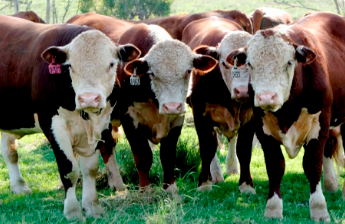
生活成本压力正在重塑家庭消费支出结构,全球贸易格局持续演变,澳大利亚红肉行业不断面临挑战,需要在产品价值、品质与创新之间寻求平衡。
澳大利亚肉类与畜牧业协会(MLA)洞察与战略总经理斯科特・卡梅伦表示,行业依然具备良好发展基础,关键在于紧抓消费者最为看重的要素:价格亲民、菜式适配性、食用便捷度与品牌信任。
斯科特认为,全球范围内的生活成本压力持续左右民众的食品采购选择。
“生活成本是影响消费行为最重要因素之一,不仅作用于红肉选购,也广泛影响各类生鲜肉类消费”。 他说道。
高性价比优质蛋白
随着家庭消费开支趋于审慎,消费者愈发青睐兼具性价比、烹饪灵活度且便于加工的蛋白食材。这一点在周中日餐场景中尤为突出,该时段占据红肉消费的大头。消费者希望菜品烹制省时、成品稳定,同时品类丰富,丰富家庭餐桌。
可喜的是,澳大利亚牛肉与羊肉在上述方面具备强劲竞争优势。
尽管整条供应链价格上行,国内市场需求依旧保持韧性。斯科特提到,过去一年活畜交易市场价格大幅上涨,部分涨幅传导至零售端,但消费者仍愿意为牛羊肉支付更高价格。
核心原因在于产品选择丰富。从眼肉、西冷等高端牛排部位,到肉馅、香肠、烤肉块等日常刚需品类,澳大利亚红肉覆盖多个价格区间。
丰富的产品选择方便消费者根据预算选购,持续享用优质蛋白。在经济波动时期也有助于稳住需求,消费者可以切换不同部位选购,而非彻底放弃红肉品类。
人口结构变化蕴藏发展机遇
澳大利亚人口结构变迁同样为行业带来新机遇。目前该国超过30%人口为海外出生,来自印度、中国等国家的移民是人口增长的重要来源。
斯科特表示:“虽然这类消费群体的人均红肉消费量通常低于本土出生居民,但行业迎来重要机遇,能够提升胴体利用率,从更多品类分割部位中挖掘更高收益。”
印度、中国传统菜肴常选用澳大利亚主流烹饪中不太常用的肉品部位。例如带骨羊肩肉、羊腿十分适合制作咖喱与印度比尔亚尼焖饭;薄切牛肉次级分割部位则广泛应用于各类亚洲菜品。
随着澳大利亚人口文化多元性不断提升,依据不同饮食传统调整产品供给,既能够拉动消费增长,也有助于整条产业链提升盈利水平。
东南亚市场需求持续增长
东南亚正持续成为澳大利亚红肉最具增长潜力的区域市场之一。其中泰国巩固了其作为澳大利亚重要出口市场的地位。
斯科特称:“泰国餐饮行业活力充沛、旅游业不断发展,民众对高端就餐体验的需求上升,共同支撑起当地对澳大利亚牛羊肉的需求。”
澳大利亚在泰国进口冰鲜牛肉市场占据主导地位,高端草饲牛肉销路表现亮眼。斯科特表示,随着东南亚各地涌现市场多元化机遇,谷饲牛肉出口存在进一步扩张空间。
泰国酒店餐饮行业日趋成熟,也为高端肉制品创造机会。当地厨师十分认可澳大利亚谷饲牛肉稳定出众的食用品质。
日本依旧是澳大利亚出口商的核心市场。尽管市场目光多聚焦于日本人口老龄化给肉类消费带来的挑战,斯科特指出多项积极因素持续支撑需求。
依托消费者高度认可与鲜明的原产地认知优势,澳大利亚牛肉在日本零售市场保有稳固份额。与此同时,旅游业热度创下新高,带动餐饮渠道需求上涨,涵盖日式传统料理与多国风味餐饮。
澳大利亚肉类安全、品质稳定的良好口碑持续深得日本消费者认同,夯实高端产品定位。羊肉在餐饮渠道的发展机遇同样不断增多,为厨师丰富菜单品类,也给消费者提供更多营养选择。
美国市场需求依旧旺盛
美国仍是澳大利亚最大牛肉出口市场,近年来持续拉动出口需求。美国牛只存栏下降在一定程度上推高进口需求,为澳大利亚出口企业创造大量机遇。
斯科特表示:“短期内美国市场需求预计维持旺盛。但随着后续美国牛群规模逐步恢复,长期来看该国对进口牛肉的依赖或将有所下降。”
展望未来,市场竞争不断加剧,澳大利亚在草饲肉牛养殖、高端冰鲜牛肉、原产地溯源保障以及可持续发展资质方面的竞争优势,价值将愈发凸显。
英国市场接纳多国风味饮食
与此同时,随着消费者饮食偏好不再局限于传统餐食场景,英国市场持续涌现新机遇。英国消费者愈发喜爱各国风味菜肴,尤其是亚洲、中东菜系以及融合料理。
这一趋势让澳大利亚牛羊肉得以突破传统烤肉、节庆宴席等场景,进入更多日常餐食。高端谷饲牛肉、和牛以及草饲牛肉,均可受益于消费者对国际风味与高品质餐饮体验日益增长的兴趣。
不过,和全球众多市场一样,生活成本压力仍是不可忽视的因素。推广高性价比分割肉与便捷预制餐品,对于推动消费持续增长至关重要。
全球食品趋势调研报告
展望未来,澳大利亚肉类与畜牧业协会(MLA)正开展一项全新全球食品趋势研究,探究影响全球食品需求的各类文化与消费行为转变。该项研究预计于8月发布,旨在深入剖析塑造消费者偏好与采购决策的宏观趋势。
对于行业从业者而言,洞悉上述趋势至关重要。MLA的调研信息表明,想要在当下市场取得发展,仅仅生产高品质红肉远远不够,还需要顺应持续变化的消费者需求、发掘新兴机遇,并不断适应不断演变的全球市场环境。
尽管市场行情或将持续波动,但澳大利亚凭借品质稳定、勇于创新的良好声誉,使本国红肉行业具备充足实力,牢牢把握国内与海外市场的各类增长契机。
消息来源:MLA
How Australian red meat is navigating changing customer values
As cost-of-living pressures reshape household spending and global trade flows continue to evolve, Australia's red meat industry is continuously being challenged to balance value, quality and innovation.
Yet according to Scott Cameron, Meat & Livestock Australia's (MLA) Group Manager – Insights and Strategy, the sector remains well positioned to succeed by focusing on what consumers value most: affordability, versatility, convenience and trust.
Scott believes cost-of-living pressures globally continue to be one of the most influential factors affecting food purchasing decisions.
"Cost of living is one of the biggest influences that's really determining consumer behaviour when it comes to purchasing not only red meat, but fresh meat generally," he said.
Value-packed protein
As households become more conscious of their spending, consumers are increasingly looking for protein options that provide value, flexibility and ease of preparation. This is particularly evident in the midweek meal occasion, which accounts for the majority of red meat consumption. Consumers want meals that are quick to prepare, deliver reliable results and offer enough variety to keep family menus interesting.
Fortunately, these are areas where Australian beef and lamb are well placed to compete.
The domestic market continues to demonstrate resilience despite rising prices across the supply chain. Scott noted that over the past year saleyard prices have increased significantly, with some of these increases flowing through to retail shelves. Yet consumers have continued to demonstrate a willingness to pay more for beef and lamb.
A key reason is the breadth of options available to consumers. From premium steak cuts such as rib-eye and scotch fillet through to everyday staples like mince, sausages and roasting cuts, Australian red meat provides products at a wide range of price points.
This diversity enables consumers to tailor their purchases to their budgets while still enjoying high-quality protein. It also helps maintain demand during periods of economic uncertainty, with consumers able to trade between cuts rather than leave the category altogether.
Changing demographics provide opportunity
Australia's changing demographics are also creating new opportunities for the industry. More than 30% of the nation's population is now overseas-born, with migration from countries such as India and China contributing significantly to population growth.
“While these consumer groups typically consume less red meat per capita than Australian-born consumers, they present important opportunities to improve carcase utilisation and capture greater value from a broader range of cuts,” Scott said.
Traditional dishes from Indian and Chinese cuisines often utilise cuts that may be less familiar in mainstream Australian cooking. Bone-in lamb shoulders and legs, for example, are well suited to curries and biryanis, while thinly sliced beef secondary cuts are commonly used in a range of Asian dishes.
As Australia's population becomes more culturally diverse, aligning product offerings with these culinary traditions can support both consumption growth and improved returns across the value chain.
Growth in South-East Asia
South-East Asia continues to emerge as one of the most promising growth regions for Australian red meat. Thailand, in particular, has strengthened its position as a valuable market for Australian exports.
"The country's vibrant foodservice sector, growing tourism industry and increasing appetite for premium dining experiences have underpinned demand for Australian beef and lamb,” Scott said.
Australia has established a dominant position in Thailand's imported chilled beef segment, with premium grass-fed product performing strongly. Looking ahead, Scott said he sees potential for grain-fed beef exports to expand further as market diversification opportunities emerge across the region.
The growing sophistication of Thailand's hospitality industry is also creating opportunities for premium products, with chefs valuing the consistency and eating quality associated with Australian grainfed beef.
Japan remains another critical market for Australian exporters. While much attention has been focused on the country's ageing population and associated challenges for meat consumption, Scott highlighted several positive developments that continue to support demand.
Australian beef maintains a strong presence within Japan's retail sector, benefiting from high levels of consumer trust and strong country-of-origin recognition. At the same time, record tourism levels are generating increased demand within foodservice channels, including both traditional Japanese cuisine and international dining experiences.
Australia's reputation for safety, consistency and quality continues to resonate strongly with Japanese consumers, reinforcing its premium positioning. Lamb is also finding growing opportunities within foodservice, providing chefs and consumers with greater menu variety and nutritional choices.
US demand remains robust
The United States (US) remains Australia's largest beef export market and has been a major driver of export demand in recent years. Strong import demand, driven in part by reduced US cattle numbers, has created significant opportunities for Australian exporters.
“In the near term it’s expected that US demand to remain robust. However, the eventual rebuilding of the American herd is likely to reduce reliance on imported beef over time,” Scott said.
Moving into the future, Australia's competitive strengths in grassfed production, premium chilled beef, provenance assurance and sustainability credentials will become increasingly valuable as competition intensifies.
United Kingdom embracing global cuisines
Meanwhile, the United Kingdom continues to present new opportunities as consumer tastes evolve beyond traditional dining occasions. British consumers are increasingly embracing global cuisines, particularly Asian, Middle Eastern and fusion-inspired cooking styles.
This trend creates opportunities for Australian beef and lamb to feature in a wider range of meal occasions beyond traditional roasts and special-event dining. Premium grainfed beef, Wagyu and grassfed beef all stand to benefit from growing consumer interest in international flavours and premium food experiences.
However, as with many markets around the world, cost-of-living pressures remain a consideration. Building relevance for affordable cuts and convenient meal solutions will be critical to driving sustained consumption growth.
Global food trends study
Looking ahead, MLA is undertaking a new global food trends study that will explore the broader cultural and behavioural shifts influencing food demand worldwide. Expected to be released in August, the research aims to provide deeper insight into the macro trends shaping consumer preferences and purchasing decisions.
For industry participants, understanding these trends will be essential. As MLA’s insights demonstrate, success in today's marketplace requires more than producing premium red meat. It requires an ability to meet changing consumer needs, identify emerging opportunities and continuously adapt to an evolving global marketplace.
While market conditions may continue to shift, Australia's reputation for quality, consistency and innovation ensures the industry remains well placed to capture growth opportunities both at home and in our international markets.
Source:MLA

