

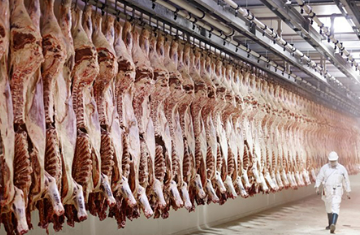
受多重因素交织影响,行业经营环境发生重塑,澳大利亚红肉加工企业在供应链与全球市场中面临日益严峻的挑战。
澳大利亚肉类行业理事会首席执行官蒂姆·瑞安表示,加工商正遭遇有史以来最为艰难的经营环境:牲畜供给紧张、成本上涨,叠加出口市场不确定性加剧,带来巨大压力。
蒂姆在MLA《实地见闻》播客最新一期节目中谈到,此前重创羊肉行业的市场形势,如今开始波及牛肉产业。
“我们正深陷供给紧张与全面成本上涨的双重挤压,”他说。
“与此同时,市场准入条件大范围恶化,各类潜在风险逐步显现。”
发出该警示之际,加工商正承受利润收窄、监管负担加重的压力,国际市场竞争也日趋激烈。
供应链中的关键环节
蒂姆表示,加工行业作为连接畜牧养殖户与全球采购方的枢纽,其存续发展对整个红肉行业的成败至关重要。
“一旦加工产能收缩或缩减,最终会影响整个畜牧产业的长期生存能力。”他说道。
蒂姆承认农业本身具有周期性与波动性,但他指出本轮下行有所不同:常规市场压力之外,监管与政策层面的难题进一步加剧了困境。
这类压力包含出口认证成本上涨、劳动力供给不足等问题。
“我们并非寻求财政救济,”蒂姆说。
“我们想要的是合理的监管与政策环境,助力企业良性发展。”
劳动力与合规压力持续上升
行业最担忧的问题之一是澳大利亚外来劳工体系,加工企业依靠海外员工填补关键岗位缺口。
蒂姆表示,尽管国内招聘仍是优先选项,但获取国际劳动力对维持加工产能至关重要。
加工企业还需承担越来越高的政府出口服务成本回收费用,包括兽医监管与出口认证相关收费。
蒂姆称,这类费用涨幅已经超过通胀水平,进一步加重了本就身处艰难市场环境中的企业负担。
美国羊肉调查事件仍备受关注
行业当前首要贸易关注点是美国针对进口羊肉发起的调查。
蒂姆介绍,数月以来,澳大利亚加工商联合澳大利亚肉类和畜牧业协会、澳大利亚肉类加工企业协会以及澳大利亚绵羊养殖者协会等机构,持续密切跟踪事态进展。
目前调查已进入更为正式的阶段,各方将向美国相关机构陈情,阐述维持进口羊肉贸易畅通带来的益处,听证会预计将于未来数月举行。
蒂姆认为,从澳大利亚角度来看,澳进口羊肉是对美国本土羊肉生产的补充,而非威胁。
“我们完全不认为进口羊肉会对美国本土羊肉产业构成威胁,”他表示。
“恰恰相反,进口羊肉能够扩大市场体量,维持整个羊肉品类的市场活力。
蒂姆说,加工商全程深度参与该事件,参加多场行业研讨会,并与澳大利亚肉类行业理事会紧密协作,确保向本次调查提交相关意见材料。
多个市场相继显现挑战
蒂姆表示,尽管美国羊肉调查备受瞩目,但这只是市场准入条件整体趋紧趋势中的一例。
中国牛肉保障措施、韩国自贸协定项下牛肉保障条款,以及印尼持续存在的技术性准入问题,都给澳大利亚出口商带来挑战。
“我认为这是全行业普遍面临的风险,”蒂姆称。
“当下贸易的政治属性更强,风险也更高。”
对于澳大利亚红肉这类以出口为导向的产业而言,配额、保障措施与技术性贸易壁垒使用增多,构成重大挑战。
南美竞争持续加剧
南美竞争对手(尤其是巴西)发展迅猛,进一步加剧了行业压力。
蒂姆表示,澳大利亚凭借良好口碑与高标准,以往在全球市场形成差异化优势,得以突破多项技术性贸易壁垒。
但竞争对手正不断缩小这一差距。
“目前巴西开拓市场成效显著,并且持续争取新的市场准入机会,”他说。
市场准入受限、经营成本抬升、牲畜供给趋紧,叠加竞争对手实力提升,多重因素共同造就了澳大利亚加工商尤为艰难的经营环境。
尽管整体挑战重重,但美国牛肉产量下降,支撑了核心亚洲市场对澳洲肉类产品的旺盛需求。
致敬肉铺匠人与风味香肠
在全球市场充满不确定性的背景下,蒂姆强调扶持国内肉铺渠道意义重大。该渠道既能推广成熟肉类品牌,又可灵活应对市场形势变化。
蒂姆还提到,澳大利亚肉类行业理事会年度“香肠之王”大赛参与热度高涨,昆士兰州今年参赛作品数量创下新高。
蒂姆表示,这项赛事早已不只是一场竞赛,现已成为公认的品质标识、营销平台,同时也为肉铺经营者与肉制品厂商提供宝贵的产品反馈。
2028年世界屠夫大赛筹备工作也在加紧推进,这是澳大利亚首次承办该项赛事。
本次盛会将是难得的机会,向全球展示澳洲肉类以及本土富有活力的独立肉铺行业。
“澳大利亚依旧拥有值得引以为傲的庞大肉铺行业,”蒂姆说道。
对于一个在国内外都面临重重挑战的行业而言,这场赛事将向世界再次证明,澳洲肉类缘何持续获得国际市场认可。
消息来源:MLA
Why pressure on processors matters to every livestock producer
Australia's red meat processors face mounting challenges across the supply chain and global marketplace amid a complex mix of factors that are reshaping operating conditions across the industry.
Australian Meat Industry Council CEO Tim Ryan said processors were facing some of their toughest trading conditions with tight livestock supply, rising costs and growing uncertainty in export markets creating significant pressure.
Speaking on the latest episode of MLA’s On the Ground podcast, Tim said conditions that weighed heavily on the sheepmeat sector were now beginning to bite the beef industry.
"We're in a vice of tight supply and rising costs across the board,” he said.
“At the same time, a broad sweep of deteriorating market access and future risks are on the horizon.”
The warning comes as processors grapple with shrinking margins and increasing regulatory burdens as international competition intensifies.
A critical link in the supply chain
Tim said the processing sector's role as the gateway between livestock producers and global customers made its viability essential to the success of the broader red meat industry.
"If processing contracts or reduces in any way, it ultimately affects the long-term viability of the entire livestock industry," he said.
While acknowledging that agriculture operates in a cyclical and volatile environment, Tim said the current downturn was different because normal market pressures were being compounded by regulatory and policy challenges.
Those pressures include increasing export certification costs and concerns around workforce availability.
"We're not after a handout," Tim said.
"What we are looking for is the right regulatory settings and policy settings that enable business to thrive."
Labour and compliance concerns growing
Among the industry's biggest concerns was Australia's migrant labour framework, as processors rely on overseas workers to fill critical roles.
Tim said while domestic recruitment remained the priority, access to international labour remained vital for maintaining processing capacity.
Processors face increasing government cost recovery charges associated with export services, including veterinary oversight and certification.
According to Tim, those costs have risen faster than inflation and are adding further pressure to businesses already operating under difficult market conditions.
US lamb investigation remains front of mind
The industry's immediate trade focus was the US investigation into imported lamb.
Tim said Australian processors, alongside organisations including Meat & Livestock Australia, Australian Meat Processor Corporation and Sheep Producers Australia, had closely monitored developments over several months.
As the investigation had now moved into a more formal phase, representations would be made to US authorities as to the benefits of keeping the imported lamb trade flowing – with hearings expected in coming months.
From Australia's perspective, Tim argued imported Australian lamb complemented rather than threatened domestic production in the US.
"We don't see imported lamb as a threat to domestic lamb in the US at all," he said.
"If anything, it creates the critical mass to keep the whole category relevant."
Tim said processors had been highly engaged throughout the process, participating in numerous industry forums and working closely with AMIC to ensure they contributed submissions into the investigation.
Challenges emerging across multiple markets
While the US investigation had attracted significant attention, Tim said it was only one example of a broader trend of deteriorating access.
China's beef safeguard mechanism, Korea's free trade agreement beef safeguard measure and ongoing technical access issues in Indonesia created challenges for Australian exporters.
"I think it's a broader risk that we're seeing across the board," Tim said.
"Trade's far more political and far riskier at the moment."
For an export-focused industry such as Australian red meat, the growing use of quotas, safeguards and technical trade barriers posed significant challenges.
Competition from South America intensifies
Adding to the pressure was the rapid progress being made by South American competitors, particularly Brazil.
Tim said Australia's strong reputation and high standards had historically differentiated it in global markets to help overcome many technical trade barriers.
However, competitor nations were steadily narrowing that advantage.
"The Brazilians are being effective at the moment in getting into markets and they're pushing for new access," he said.
The combination of restricted market access, elevated operating costs, tighter livestock supply and improving competitors had created a particularly difficult environment for Australian processors.
Despite broader challenges, reduced US beef production helped maintain strong demand for Australian product across key Asian markets.
Celebrating butchers and sausages
Amid the global uncertainty, Tim highlighted the importance of supporting the domestic butcher channel, which could utilise and showcase established meat brands and respond to changing market dynamics.
Tim also highlighted strong participation in AMIC's annual Sausage King competition, particularly in Queensland, where a record number of entries were received this year.
Tim said the program had evolved beyond a simple competition to now be a recognised mark of quality, a marketing platform and a valuable source of product feedback for butchers and manufacturers.
Preparations were also ramping up for the 2028 World Butchers' Challenge, which Australia will host for the first time.
The event would provide a rare opportunity to showcase Australian meat and the country's vibrant independent butcher sector to a global audience.
"Australia's still got a large butcher industry to celebrate," Tim said.
For an industry facing mounting challenges at home and abroad, the event will offer a chance to remind the world why Australian meat continues to command respect on the international stage.
Source:MLA

