

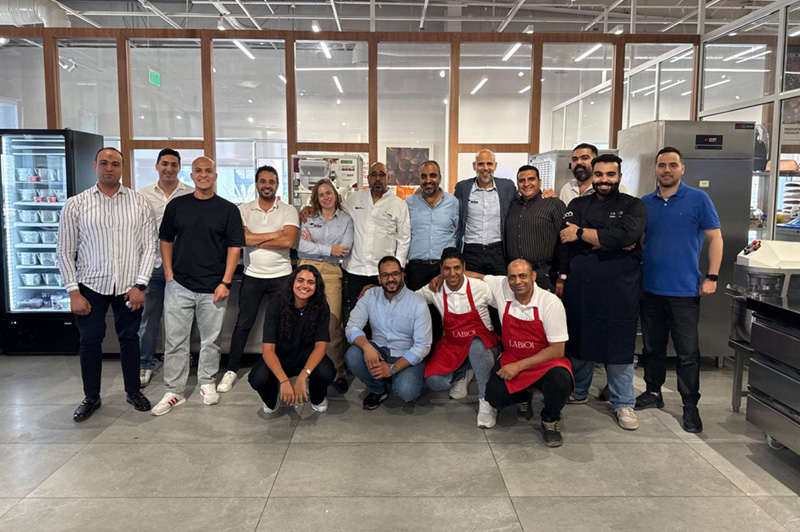
澳大利亚肉类学院埃及参训学员
澳大利亚肉类及畜牧业协会(MLA)欧非中东区域经理达伦・沃森,带来其负责区域市场行情的最新实务分析。
整体趋势清晰显现:市场形势持续好转,但复苏尚需时日。
中东市场:显现初步回暖迹象
近期中东地缘局势变化正逐步提振市场信心。多份停火协议落地、各国更新出行风险提示,助力市场信心修复,但达伦提醒,市场复苏并非一蹴而就。
“向好态势确实存在,但不可能一夜之间彻底好转”, 他表示,“预计需要9至12周,市场才能逐步恢复常态。”
区域物流难题依旧突出,海运是最大阻碍:货物缺乏安全保障,保险公司便不予承保。受数月供货短缺影响,当前市场供应量同比仍处于下滑区间。相较于冷冻肉,冷鲜肉受冲击更为严重,这也折射出整条供应链普遍受阻的现状。
航空货运板块已出现回暖迹象。阿联酋(尤其是迪拜)始终是核心货运枢纽,近数月货运量持续上涨。随着英国、美国、澳大利亚等主要国家下调当地出行风险等级,各大航空公司计划恢复飞往中东的航空运力。
但达伦也提到,仅靠完善配套设施不足以拉动市场复苏,消费者消费意愿与旅游市场信心才是关键。
旅游市场与消费需求仍处于恢复期
酒店入住率依旧偏低,目前仅维持百分之十几的低位,持续拖累餐饮渠道及进口肉制品整条产业链的需求。
当前入境客源主要来自周边地区,以及俄罗斯、中国等市场。受近期出行预警调整影响,欧美客源才刚刚开始回流。
达伦表示:“市场已显现初步回暖信号,但复苏进程尚处于起步阶段。”
展望后市,2027 年 3 月海湾食品展(Gulfood)等行业展会将为供需双方重新对接、提振行业发展动能起到关键作用。
他称:“今年参展客商的参与热情大概率较高,各类企业都希望借此弥补前期损失、重建合作渠道。”
沙特阿拉伯:重新深耕市场
受区域跨境出行仍存在一定限制影响,沙特市场相关工作重心放在本土线下市场推广活动上。
澳大利亚肉类及畜牧业协会当地团队近期面向资深主厨与餐饮行业从业者举办美食深度体验活动。本次活动依托澳大利亚肉类学院及品牌大使项目开展,旨在重建当地行业对澳洲肉类产品的合作联结。
整场为期两天的活动由协会首席主厨塔里克・易卜拉欣主持,重点讲解肉类产品加工应用并开展专业技能培训。
达伦表示:“即便在当前市场环境下,我们也要重新对接餐饮从业者群体,充分展现澳洲肉类的产品优势。”
英国市场:蕴藏结构性发展机遇
与中东市场不同,英国市场正受长期结构性变革影响。过去二十年间英国本土牛肉产量持续下滑,为进口肉类创造了市场空间。
达伦表示:“澳洲肉类与英国本土肉类形成供给互补。”
“即便以目前的出口量来看,也远未达到英澳自由贸易协定规定的配额上限。”
随着当地消费者对澳洲肉类认知度提升,进口牛羊肉需求保持旺盛。澳大利亚肉类及畜牧业协会围绕产品品质、溯源体系、食品安全及动物福利开展的市场宣传,持续获得市场认可。
开展市场推广,提升品牌认知度
MLA 英国及欧洲团队着力深化整条产业链各方合作关系,合作对象涵盖进口商、经销商、主厨及行业媒体。
近期举办多场澳洲牛羊肉夏日烧烤推广活动,展示产品优势并汇聚全行业相关从业者。
此外,开展专业肉类分割大师课、现场烹饪实操演示等技术交流活动成效显著,能充分凸显产品性价比、普及不同肉品部位的烹饪用法,助力商家提升经营利润。
牛胸肉需求持续上涨
英国市场一大显著趋势是牛胸肉需求不断攀升,和牛胸肉尤为受欢迎。
达伦称:“牛胸肉品类热度持续走高,澳洲谷饲和牛胸肉完美契合这一消费趋势。”
MLA通过肉类实操大师课、现场烹饪演示,帮助主厨与采购商最大化整牛利用率,将澳洲肉类融入餐厅菜单。
伦敦美食节等近期行业展会充分印证该趋势,现场烹饪环节大量选用澳洲牛胸肉作为食材。
达伦表示:“市场反响十分喜人,不少新锐主厨都表现出浓厚兴趣。”
成本压力与消费者消费行为变化
和多数市场一样,英国持续面临生活成本压力。能源、燃油、农业端生产成本上涨,压力沿整条供应链传导。
即便如此,达伦表示市场需求依旧具备韧性。
“消费者开支上虽趋于谨慎,但仍愿意为社交聚餐、特色美食体验消费”, 他说道。
宜人的气候也拉动餐饮渠道需求,外出就餐、线下聚会的消费者增多。
餐饮渠道仍是英国市场拓展的核心赛道。
全球肉类供给紧张(美国尤为明显)叠加本土产量下滑,为澳洲谷饲牛肉填补市场缺口创造了机遇。
“澳洲肉类具备突出的产品优势,我们要持续高效传递产品价值,匹配市场需求” ,达伦表示。
前景展望
尽管各类挑战依旧存在,但整个区域市场整体前景持续向好。
供应链逐步企稳,出入境出行逐步恢复,市场需求缓慢回暖。与此同时,以英国市场为代表的结构性机遇,持续巩固澳洲肉类的市场份额。
达伦表示:“后续仍有大量工作待推进,但整体发展态势向好。”
消息来源:MLA
Market stabilisation strengthens opportunities for Aussie red meat
Egypt Aussie Meat Academy participants
Darren Watson, Meat & Livestock Australia’s (MLA) Regional Manager for Europe, the Middle East and Africa, shares a practical update on market conditions across his region.
There is a clear theme emerging – conditions are improving, but recovery will take time.
Middle East: Early signs of improvement
Recent geopolitical developments in the Middle East are starting to shift sentiment in a positive direction. Agreements around a cessation of conflict and updated travel advisories are helping rebuild confidence, though Darren cautioned that recovery won’t be immediate.
“There’s definitely positive movement, but it’s not a switch that flips overnight,” he said. “We’re looking at anywhere from 9–12 weeks before we start to see more normal conditions return.”
Logistics across the region remain challenging with shipping remaining the greatest hurdle as without ‘assurance’, there is no ‘insurance’. Supply is still down year-on-year following several months of constrained availability. Chilled products have been more impacted than frozen, reflecting the broader disruption across supply chains.
Air freight is one area showing improvement. The United Arab Emirates (UAE), particularly Dubai, has remained a key hub, with increased activity over recent months. As travel advisories ease across major markets, including the United Kingdom (UK), United States (US) and Australia, airlines are expected to return more capacity into the region.
However, Darren noted that infrastructure alone won’t drive recovery. Consumer and tourism confidence will be critical.
Tourism and demand still rebuilding
Hotel occupancy rates remain low, currently sitting in the low double digits. This is continuing to impact demand across the broader supply chain, including foodservice and imported products.
Currently, travel is largely coming from nearby regions, alongside markets such as Russia and China. Western markets are only starting to return following recent advisory changes.
“There are early signs of improvement, but it’s still very early in the recovery cycle,” Darren said.
Looking ahead, industry events such as Gulfood (March 2027) are expected to play an important role in reconnecting customers and driving momentum.
“There’s likely to be strong interest this year as businesses look to recover lost ground and re-engage,” he said.
Saudi Arabia: Re-engaging the market
With regional travel still somewhat restricted, activity in Saudi Arabia has focused on in-market engagement.
MLA’s local team recently delivered a culinary immersion event targeting top chefs and foodservice professionals. The program, delivered through the Australian Meat Academy and ambassador initiatives, aimed to reconnect the industry with Australian product.
Led by MLA’s Corporate Master Chef Tariq Ibrahim, the two-day program focused on product utilisation and capability building.
“It’s about re-engaging the culinary community and reinforcing what we can offer, even in the current environment,” Darren said.
UK market: Structural opportunity
In contrast to the Middle East, the UK market is being shaped by longer-term structural changes. Domestic beef production has been in steady decline over the past 20 years, creating opportunities for imported product.
“For Australia, we’re complementary to UK production,” Darren said.
“Even current export volumes are well below the quotas under the UK-Australia Free Trade Agreement.”
Demand for imported beef and lamb remains strong, supported by increased awareness and understanding of Australian product. MLA’s messaging around quality, traceability, food safety and animal welfare continues to resonate.
Building awareness through engagement
The MLA team in the UK and Europe is focused on strengthening relationships across the supply chain – from importers and distributors through to chefs and media.
Recent activity has included Aussie Beef and Lamb Summer BBQ events designed to showcase product and bring industry stakeholders together.
In addition, technical engagement through butchery masterclasses and live cooking demonstrations is proving effective, particularly in highlighting value, utilisation across different cuts and margin maximisation.
Brisket demand on the rise
One notable trend in the UK is the growing demand for brisket, particularly Wagyu.
“The brisket category is really gaining traction here. Australian grainfed Wagyu brisket is fitting well into that trend,” Darren said.
Through masterclasses and live demonstrations, MLA is helping chefs and buyers understand how to maximise carcass value and incorporate Australian product into menus.
This trend was evident at recent industry events such as Taste of London, where Australian brisket featured prominently in live cooking formats.
“It’s encouraging to see that level of interest, particularly from emerging chefs coming through,” Darren said.
Cost pressures and consumer behaviour
Like many markets, the UK is facing ongoing cost-of-living pressures. Rising input costs across energy, fuel and agriculture are flowing through the supply chain.
Despite this, Darren noted that demand remains relatively resilient.
“There is some caution around spending, but consumers are still prioritising social occasions and food experiences,” he said.
Favourable weather has also supported foodservice demand, with more consumers dining out and gathering socially.
Foodservice continues to be a priority channel for growth in the UK.
Tight global supply – particularly from the US – and declining domestic production are creating opportunities for Australian grain-fed beef to fill market gaps.
“Australia has a strong story to tell. It’s about continuing to communicate that effectively and meeting market needs,” Darren said.
Looking ahead
While challenges remain, the overall outlook across the region is improving.
Supply chains are stabilising, travel is beginning to return and demand is gradually rebuilding. At the same time, structural opportunities, particularly in the UK, continue to strengthen Australia’s market position.
“There’s always work to do, but we’re heading in the right direction,” Darren said.
Source:MLA

